Archaeology & History
Lost Remains of Fourth Musketeer D’Artagnan Believed Found in Dutch Church
Remains found in a church in Maastricht could point to the fourth musketeer.
by
Vittoria Benzine
 Share This Article
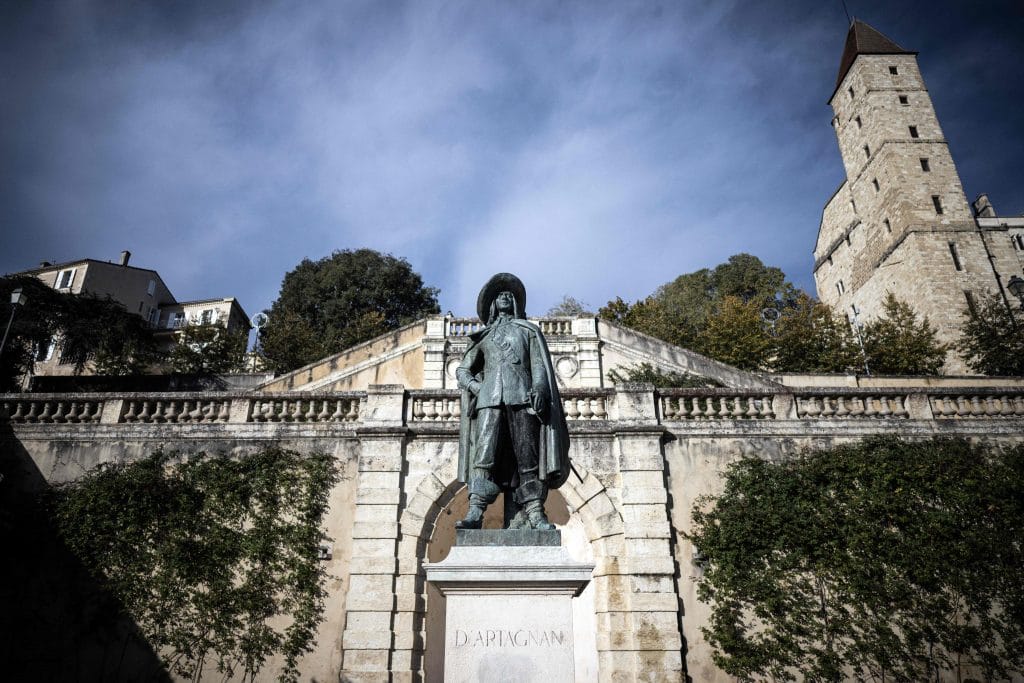
Dutch authorities think they’ve found the long-lost burial of Charles de Batz de Castelmore—better known as D’Artagnan, the inspiration behind The Three Musketeers—after awfully suspicious remains turned up in a 13th-century Maastricht church last month.
D’Artagnan grew up at his family’s chateau 75 miles west of Toulouse. He entered the French army as a 20-something in the mid-1630s, and became second lieutenant in the elite Musketeers in 1658. D’Artagnan’s acumen and loyalty as a soldier and spy earned admiration from the all-powerful and highly discerning King Louis XIV. Alas, D’Artagnan died by musket ball while leading a charge amidst the Siege of Maastricht, in 1673.
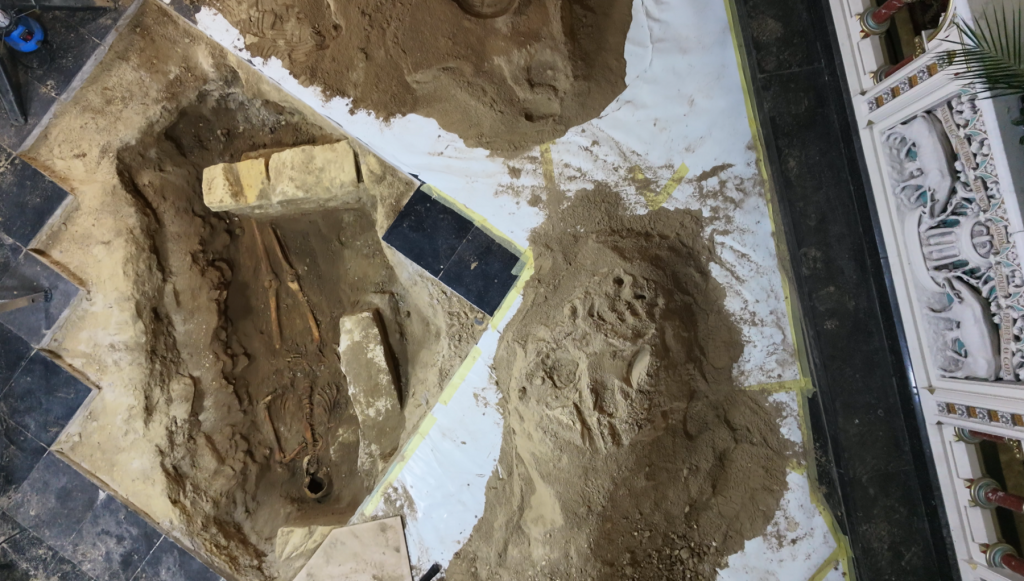
The skeleton in situ. Photo by Stichting 6213HL
Records of D’Artagnan’s burial remain lost to time—aside from one letter claiming he’d been placed in “consecrated ground.” War is hectic and the Siege happened in the summer, after all. Burials had to happen on the spot, and fast. As such, experts have historically believed that D’Artagnan would turn up near the French camp at Wolder, on the outskirts of Maastricht. In 2008, however, D’Artagnan biographer Odile Bordaz urged her colleagues to explore Wolder’s Catholic Peter and Paul church.
Maastricht city archaeologist Wim Dijkman became interested in the case upon meeting Bordaz in 2001. At first he felt apprehensive about her theory. “The more I studied it, the more likely I thought it was,” Dijkman recalled.
Dijkman’s chance to dig at the site arrived last month, when repairs on a sinkhole in the church’s grandiose nave commenced. “During the repair work we discovered a skeleton,” Deacon Jos Valke told local reporters this week. “I immediately called Wim.”
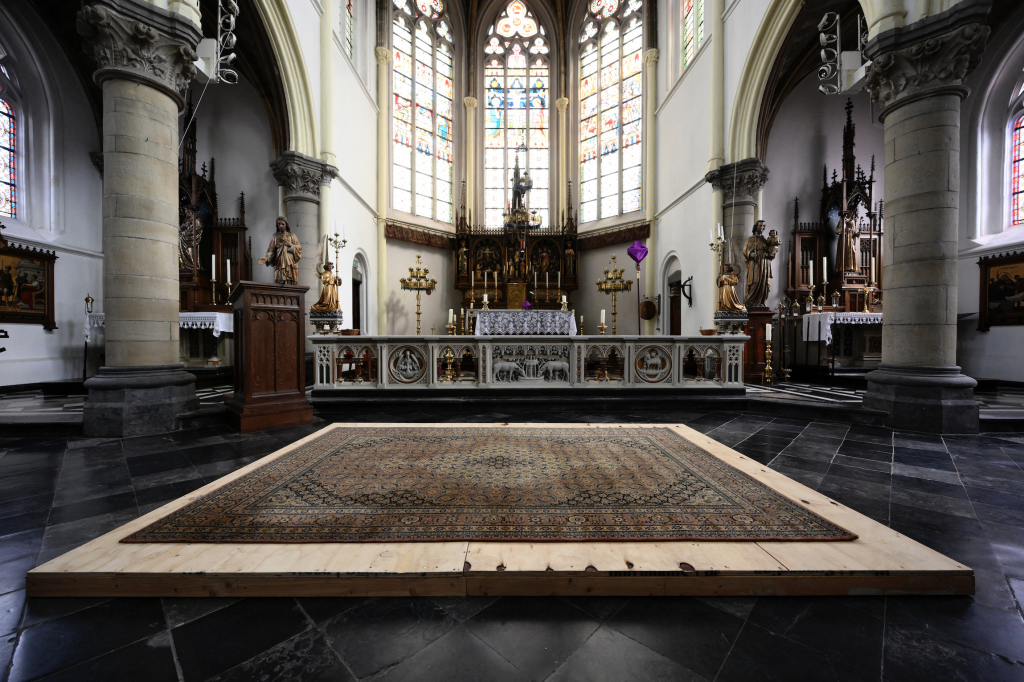
Inside the Peter and Paul church in Maastricht. Photo by John Thys / AFP via Getty Images.
The body’s placement beneath the spot where this church’s altar stood 200 years ago indicates that this individual was important. What’s more, beyond the bones, Dijkman and company also found a coin minted in 1660 by French ally Maximilian Henry of Bavaria, and a musket ball quite like the one that would’ve struck D’Artagnan in the throat—situated right by the skeleton’s chest.
Now, a piece of the jawbone is undergoing DNA testing in Munich against samples provided by D’Artagnan’s descendants. The rest of the remains are in Deventer, undergoing analysis to guess where this body hails from, and whether it belonged to a man or a woman.
Dijkman is hanging tight before he gets too excited. “I’m a scientist,” he said. If confirmed, however, he hopes the find brings crowds to this often empty place of worship.

Related Articles
-