Museums & Institutions
Here’s What LACMA’s Lavish New Building Looks Like
And as importantly: Here's how the art looks in it.
by
Ben Davis
 Share This Article
At long last, and with plenty of civic fanfare, the new Los Angeles County Museum of Art (LACMA) is ready to welcome its first visitors to its decades-in-the-making new flagship building, designed by Swiss architect Peter Zumthor.
You ascend via stairs or elevator to the concrete-and-glass David Geffen Galleries, which are held aloft, gracefully straddling Wilshire Boulevard. From the outside, the new building’s profile is both spacey and organic feeling.
Inside, Zumthor’s architecture carries you along like a gentle river—but a river with plenty of eddies. The space is meant to let you get lost in little detours. Even with three hours of strolling around, I kept finding new pockets, and occasionally also not knowing exactly where I was.
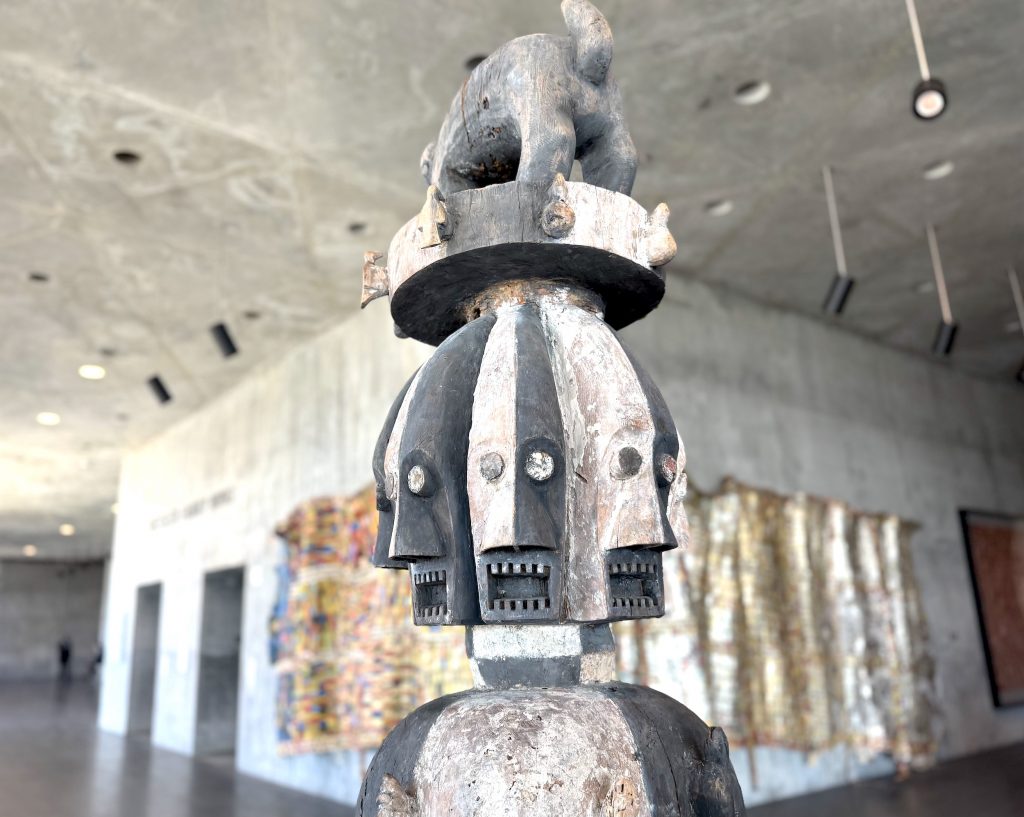
Since the facade is essentially one long, continuous window, you are never far from a view of the L.A. landscape, including the outdoor sculptures newly installed on the LACMA grounds such as Jeff Koons‘s flower-bedecked colossus, Split-Rocker (2000), which is bidding to join Chris Burden‘s Urban Light (2008) as a photo destination. Within the Geffen building’s airy corridors, the art installed around the edges of the space is drenched in the California sun, its intensity softened by tinted windows and signature curtains.
A myriad of galleries, some large and some quite small, break up the central axis of the long space. These plunge you into cool shadow so effectively that they sometimes feel practically subterranean. In a few steps, you move from radiance to twilight, as if you are leaping between ecosystems. The effect can be dizzying.
CEO and director Michael Govan’s vision includes using this revamped architecture to refresh the museum’s presentation of history. Contemporary art mixes in with classical sculpture. The exact degree of such mixing varies from room to room (and curator to curator), but overall, the museum is trying very hard to make sure that you never feel stuck in time or place. There is a loose geographical organization—by oceans, not countries, supposedly—but you generally find yourself not knowing what is coming next.
The build-up for the Zumthor opening included plenty of criticism and second-guessing of the indefatigable Govan’s passion project. Now the public gets to see for itself. While I personally ponder what I have to say, here are some photos to give a sense of what we’re talking about.
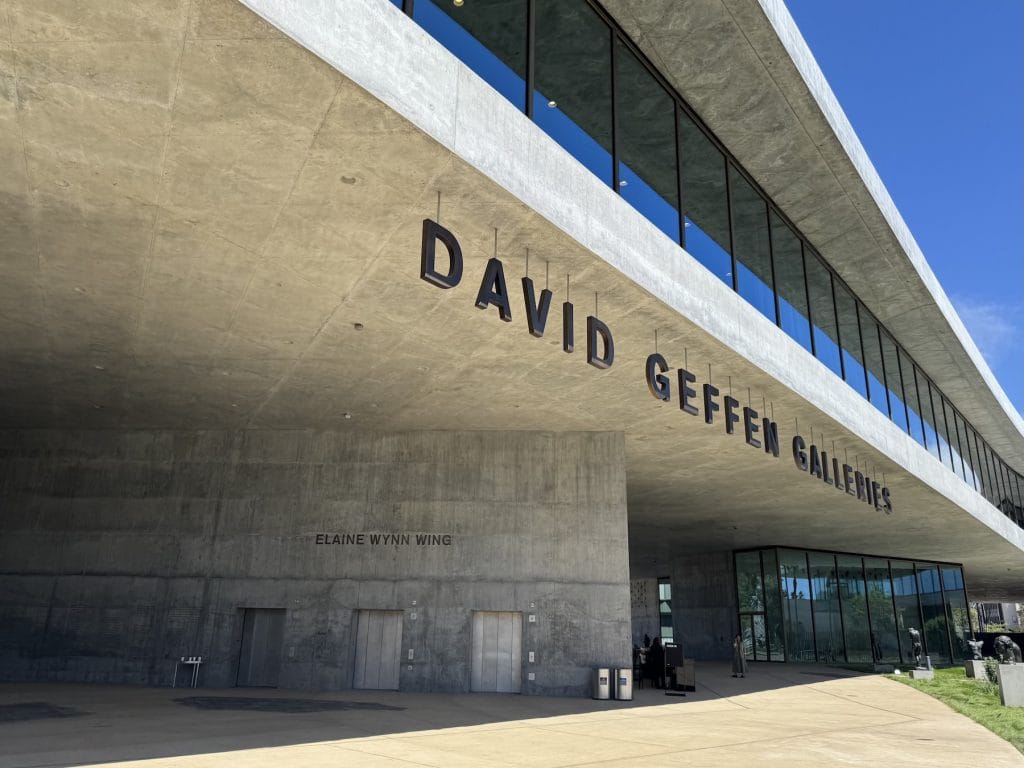
Outside the new Peter Zumthor-designed David Geffen Galleries at LACMA. Photo by Ben Davis.
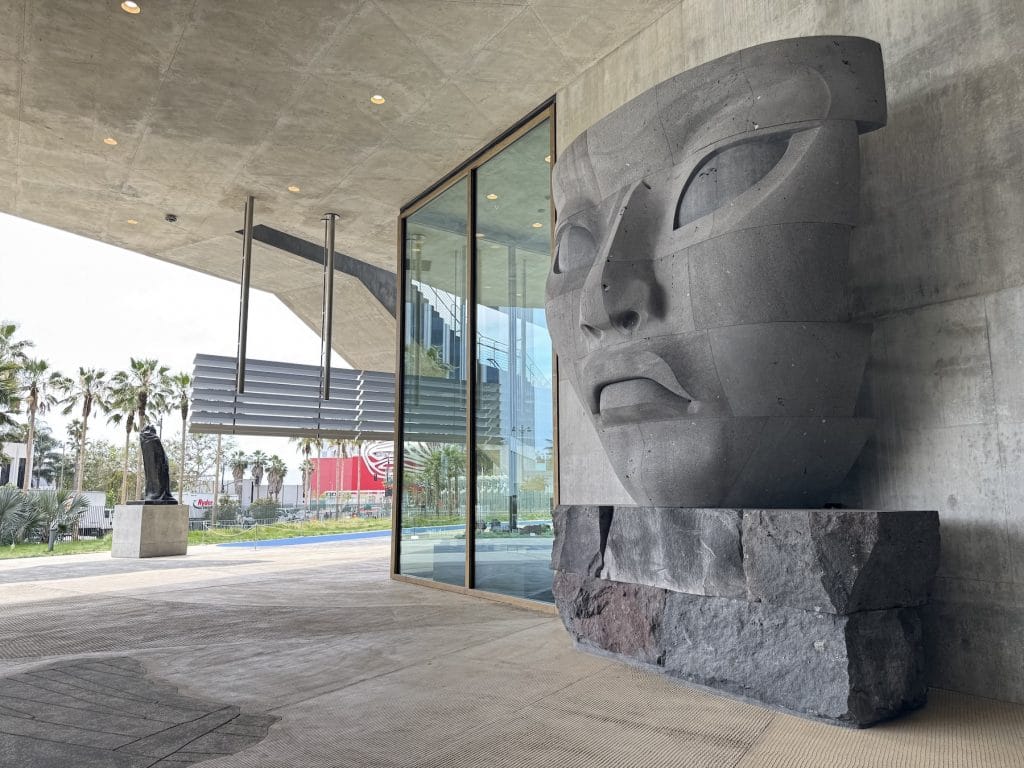
Pedro Reyes, Tlati (2026) outside the new building. Photo by Ben Davis.
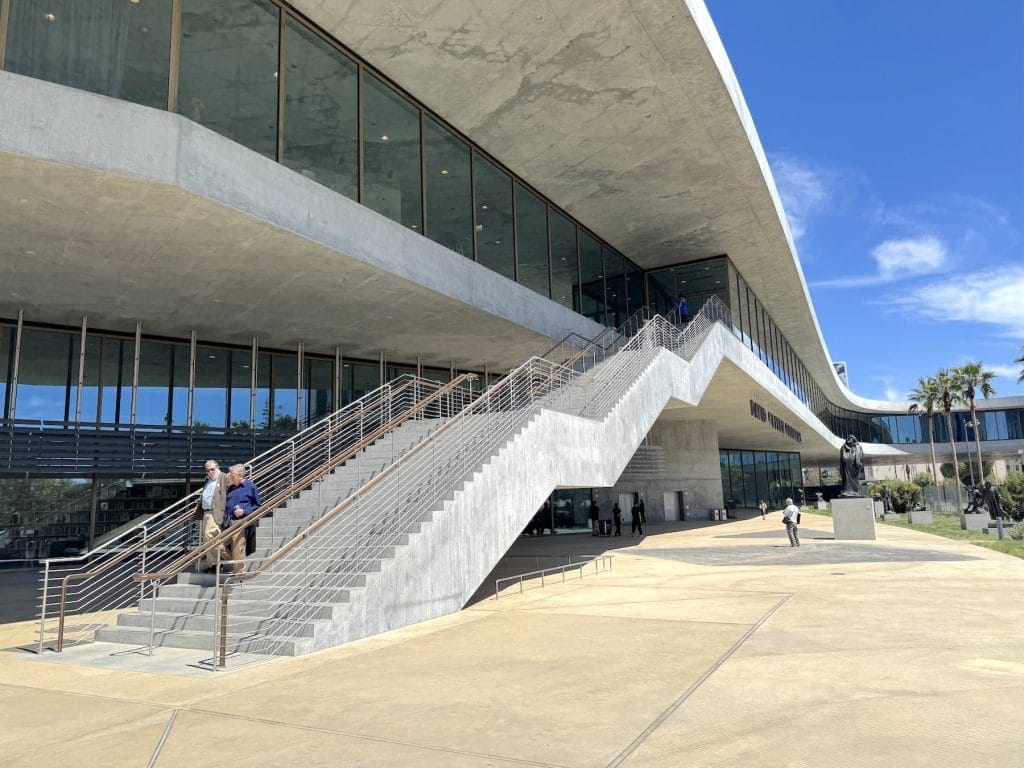
The exterior of the new Peter Zumthor-designed David Geffin building at LACMA. Photo by Ben Davis.
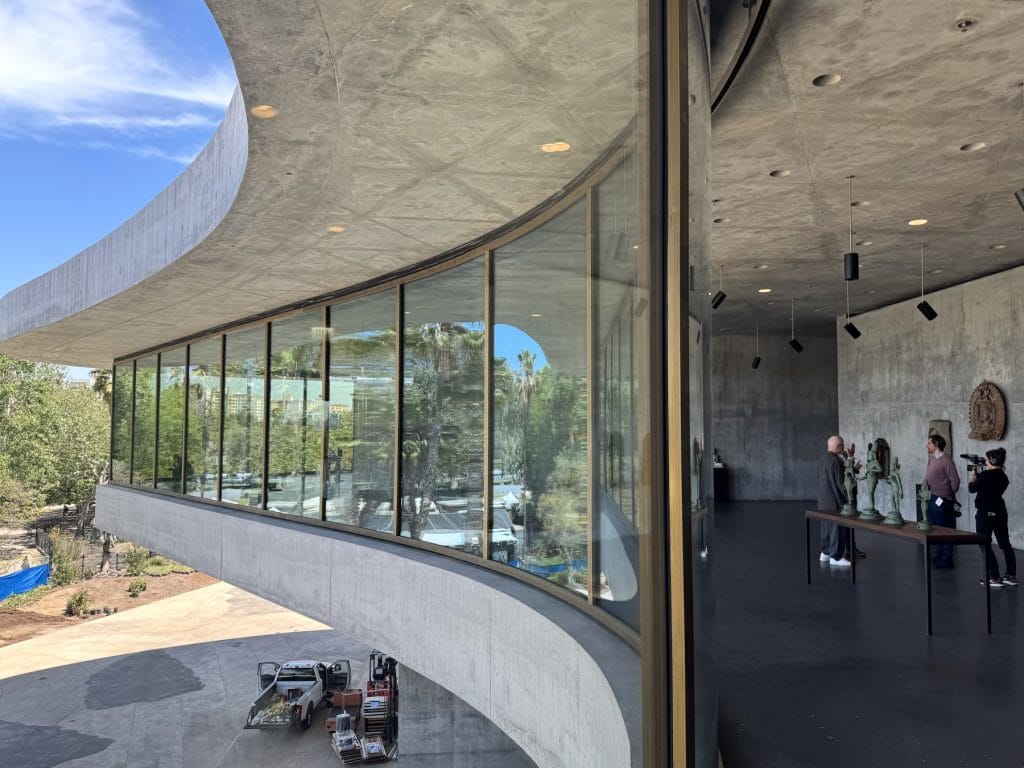
The exterior of the Peter Zumthor-designed Geffen building, as seen from inside. Photo by Ben Davis.
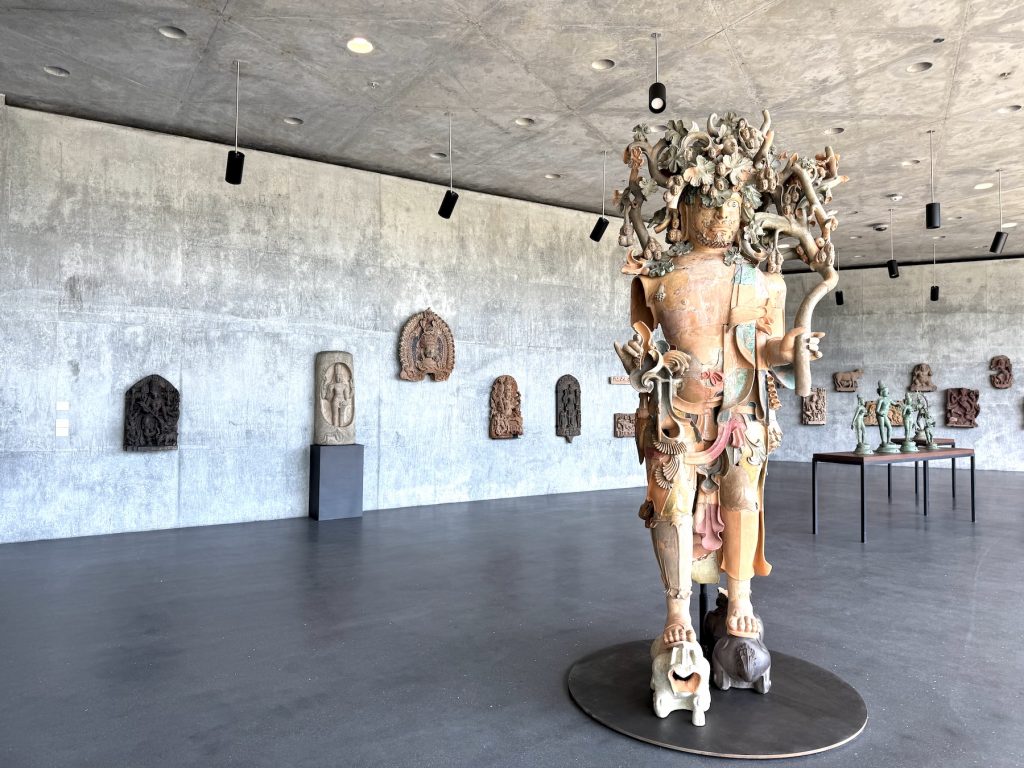
Manjunath Kamath, Vikatonarva (2024). Photo by Ben Davis.
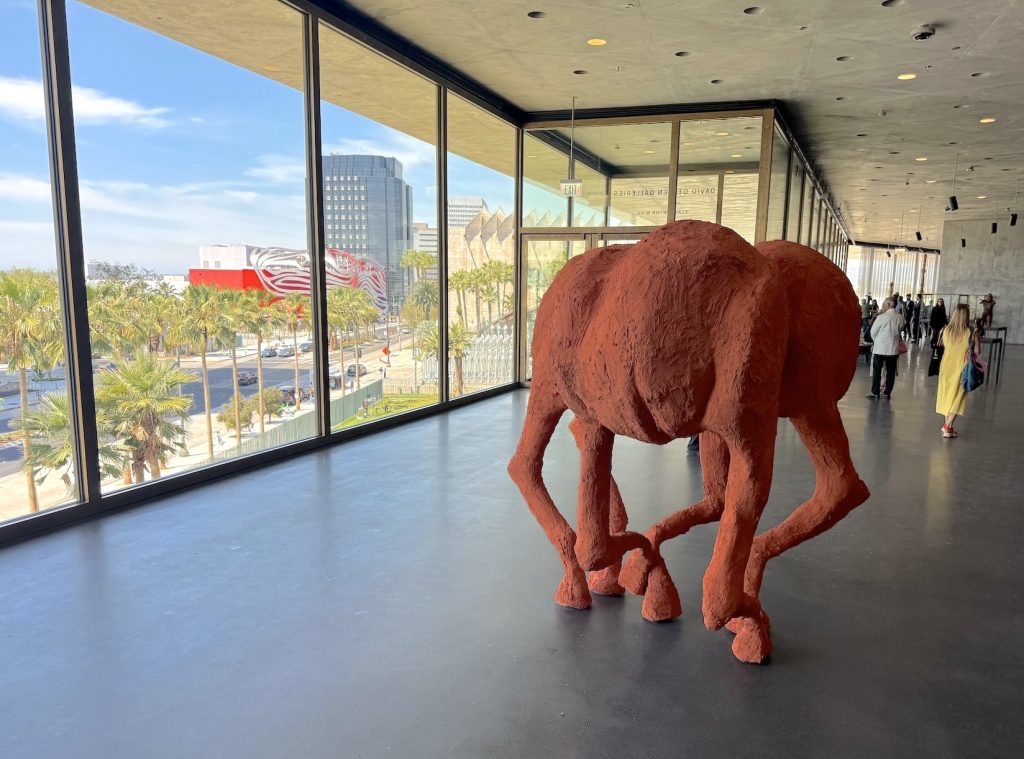
Liz Glynn, The Futility of Conquest (Cavalcade) (2023). Photo by Ben Davis.
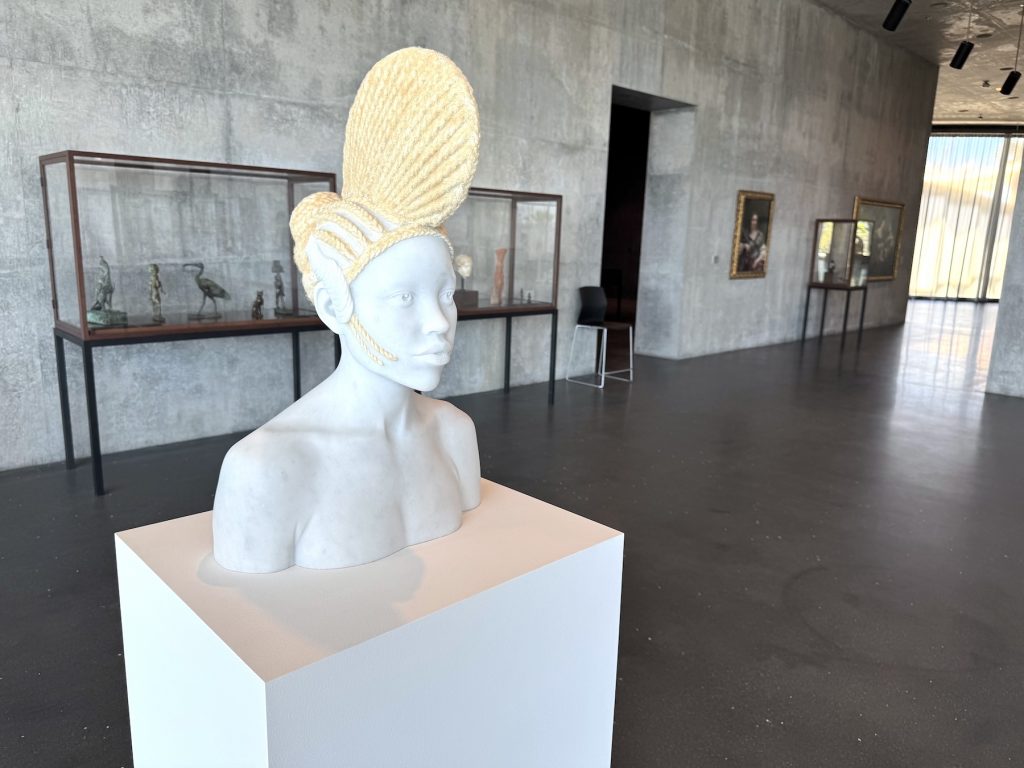
Tavares Strachan, Fulani (A Map of the Crown) (2024) in the new LACMA. Photo by Ben Davis.
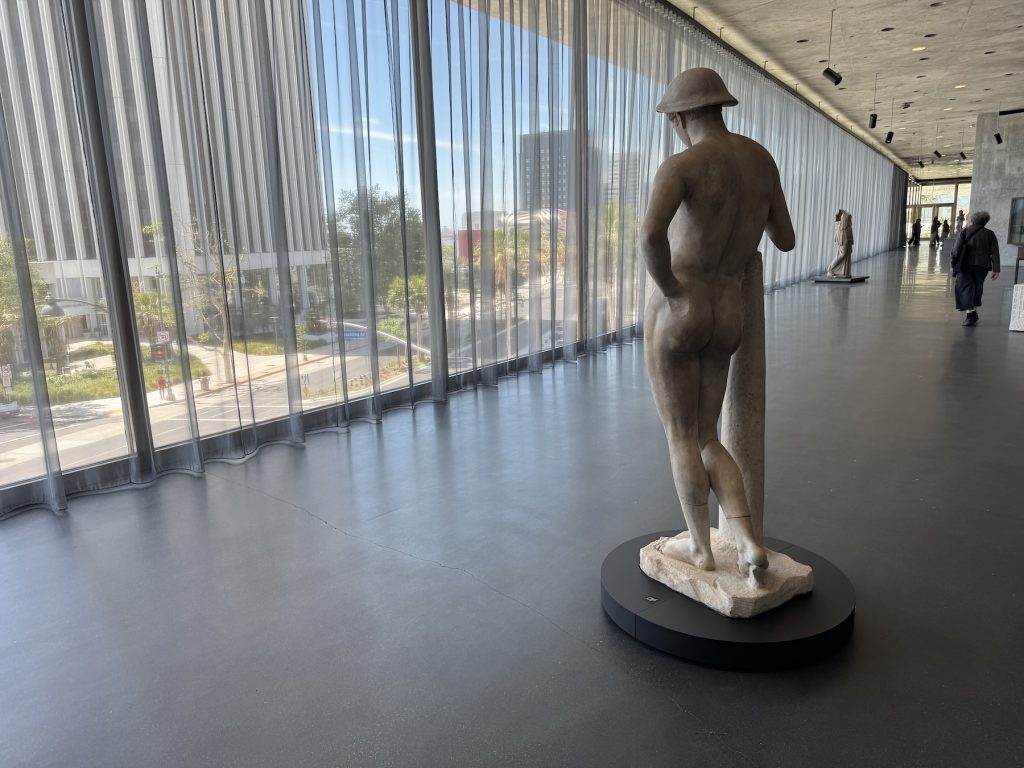
The Bateman Mercury (2nd-century copy), as installed in the new building. Photo by Ben Davis.
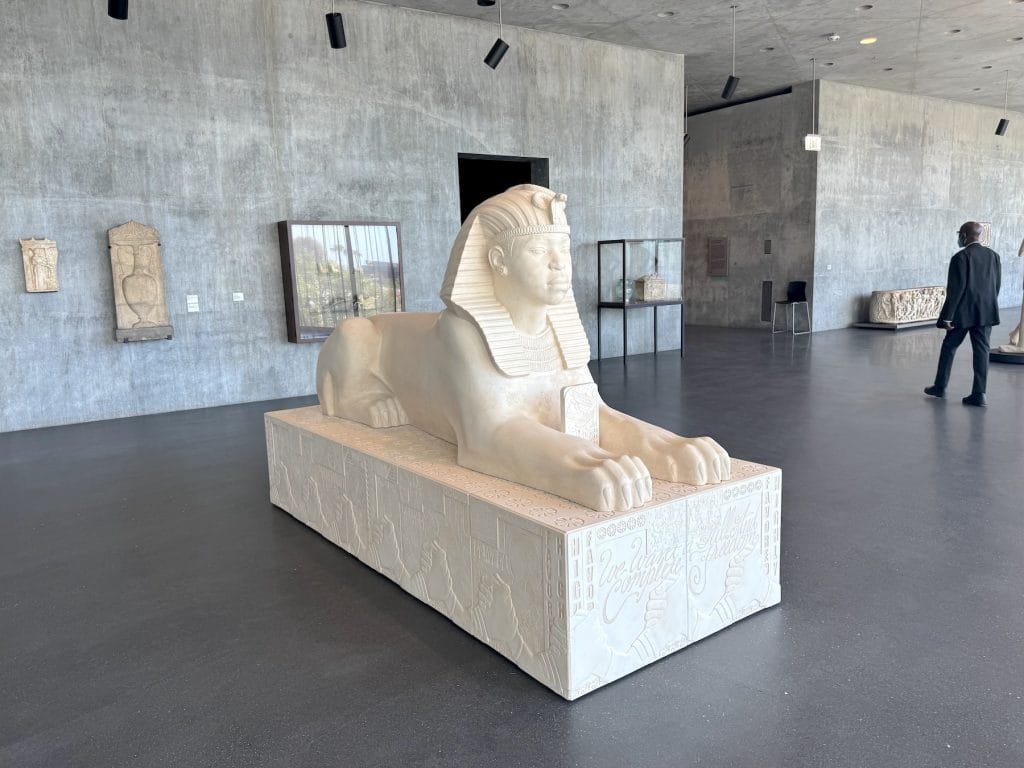
Lauren Halsey, Untitled (2026) at LACMA. Photo by Ben Davis.
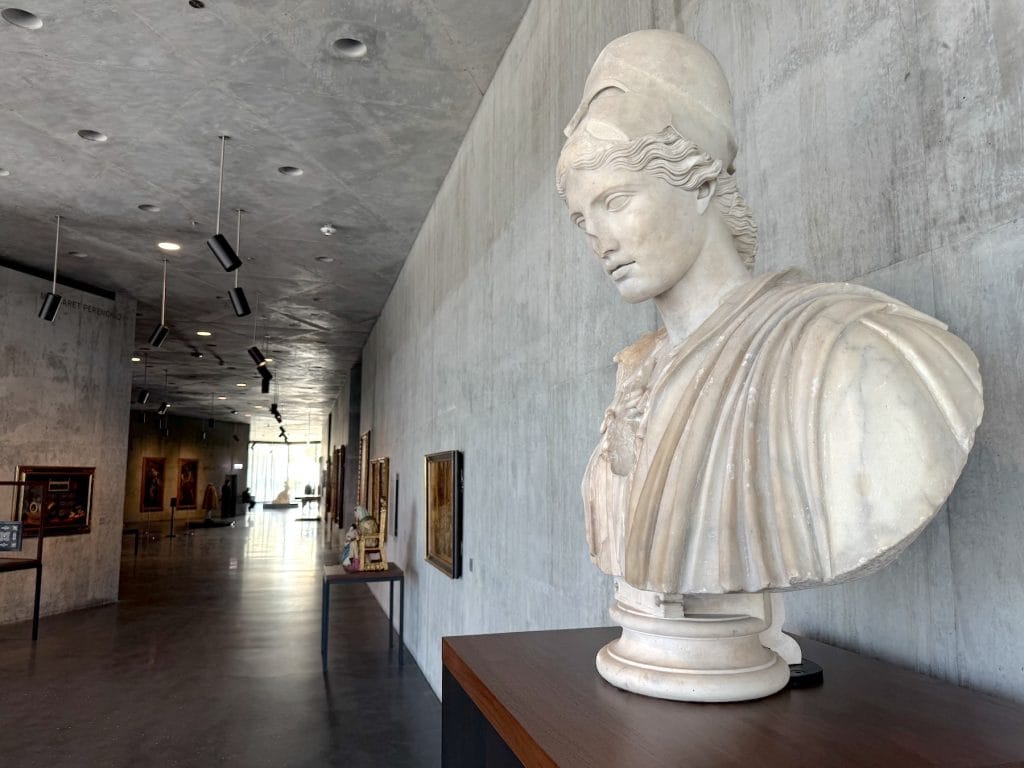
The Athena of Velletri installed at LACMA. Photo by Ben Davis.
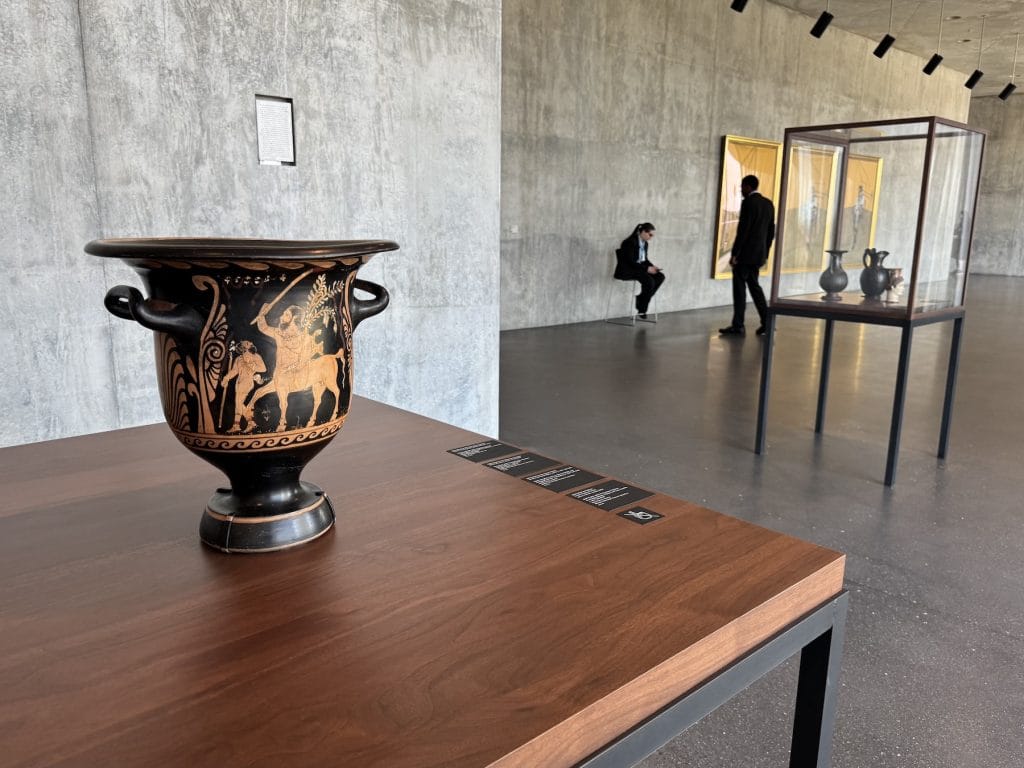
Attributed to Python, Bell-Krater with the Centaur Chiron Accompanied by a Satyr and Two Youths (c. 350-325 BCE). Photo by Ben Davis.
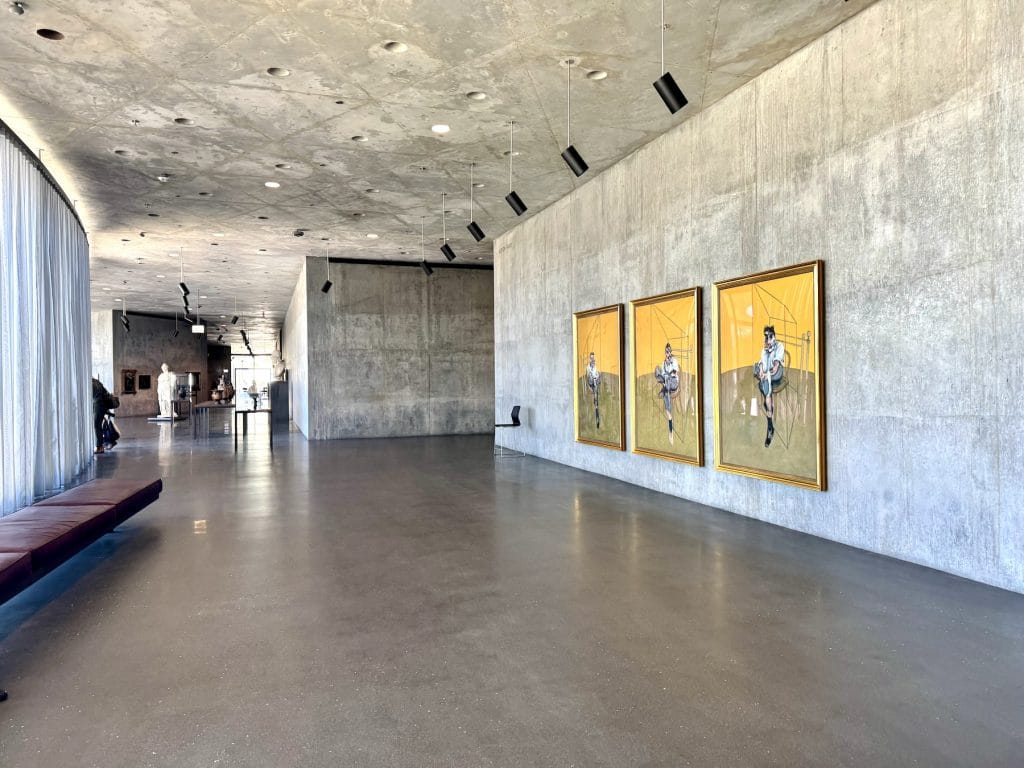
Francis Bacon, Three Studies of Lucian Freud (1969) installed at LACMA. Photo by Ben Davis.
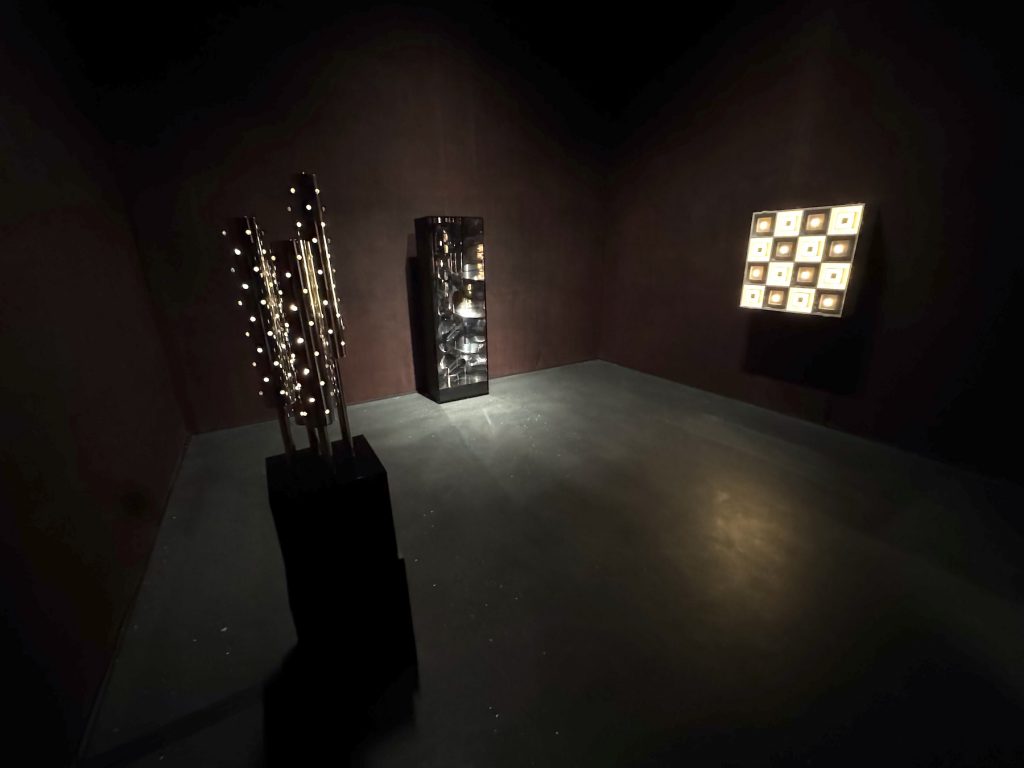
The “Turmoil and Optimism in Latin America” galleries. Photo by Ben Davis.
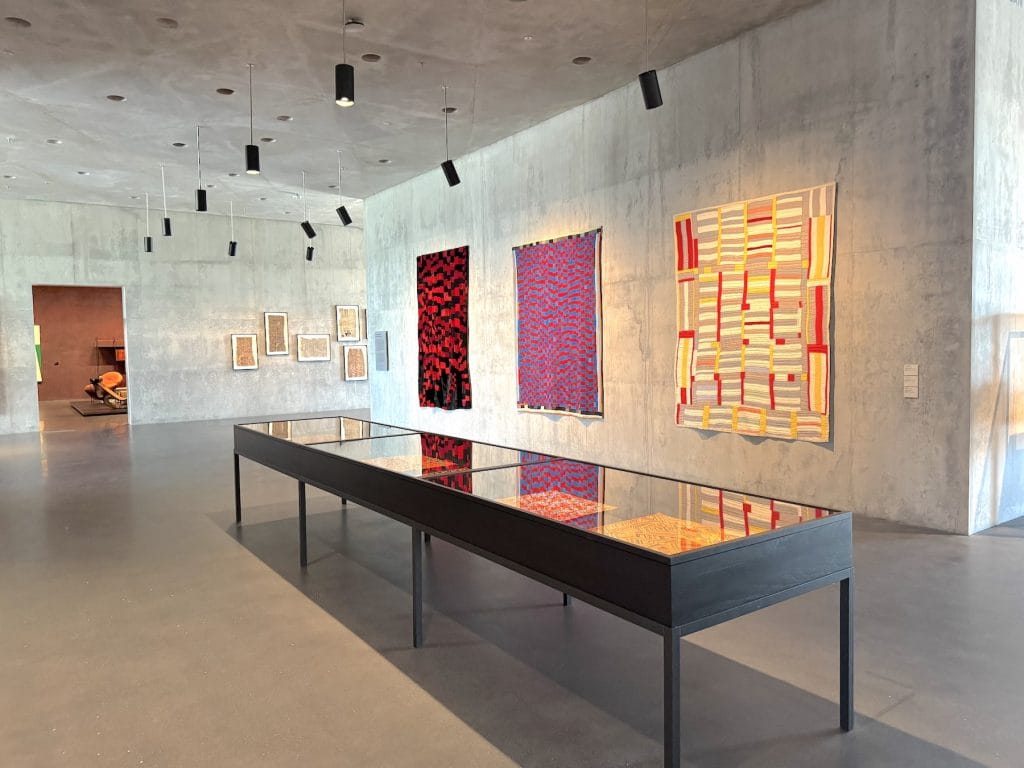
The “Textile Conversations: African and Black America” galleries at LACMA. Photo by Ben Davis.
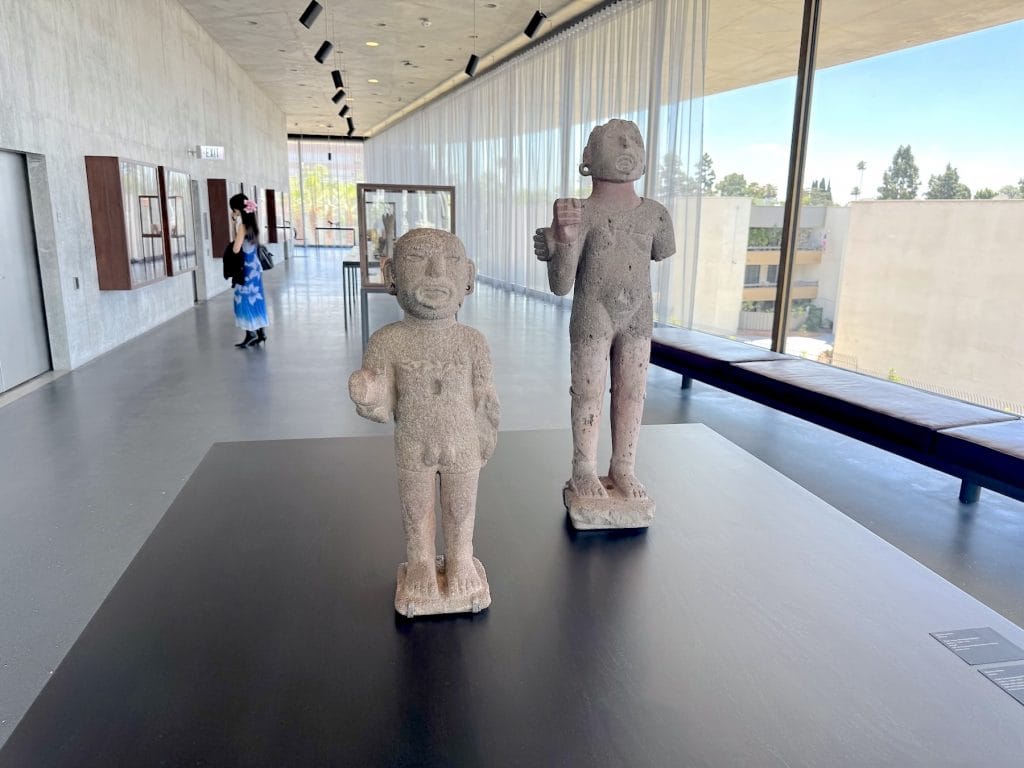
Two sculptures of Xipe Totec Standard Bearers. Photo by Ben Davis.
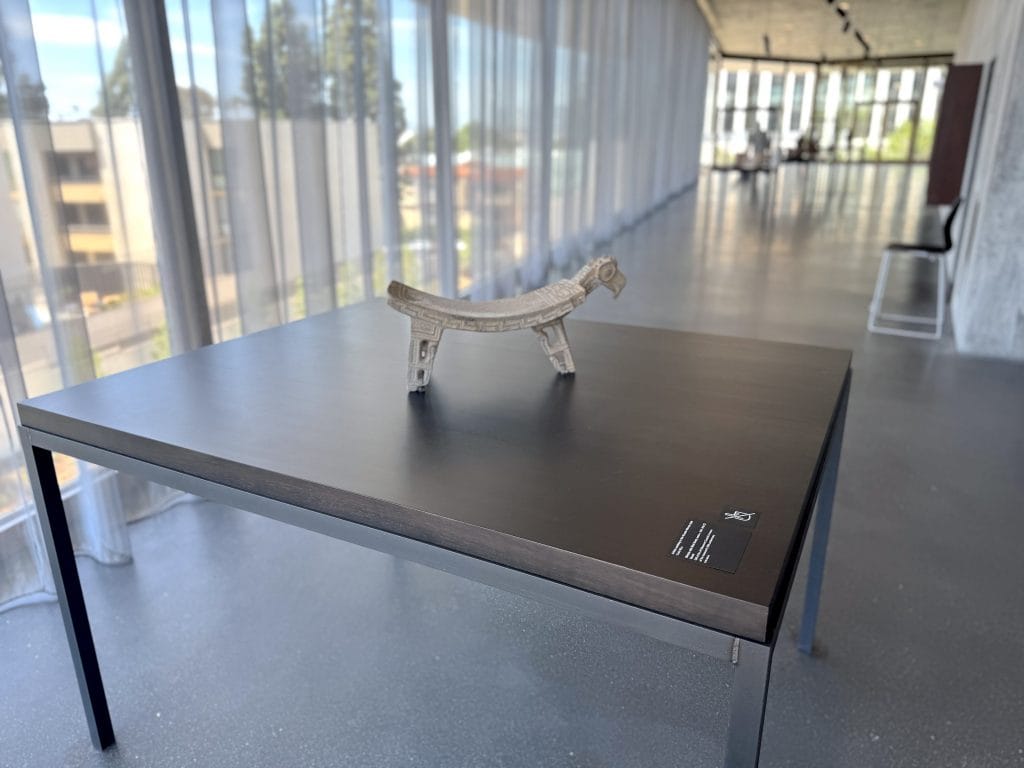
Artists working in the Greater Nicoya style, Costa Rica, Metate with Bird Head (c. 300-700 CE). Photo by Ben Davis.
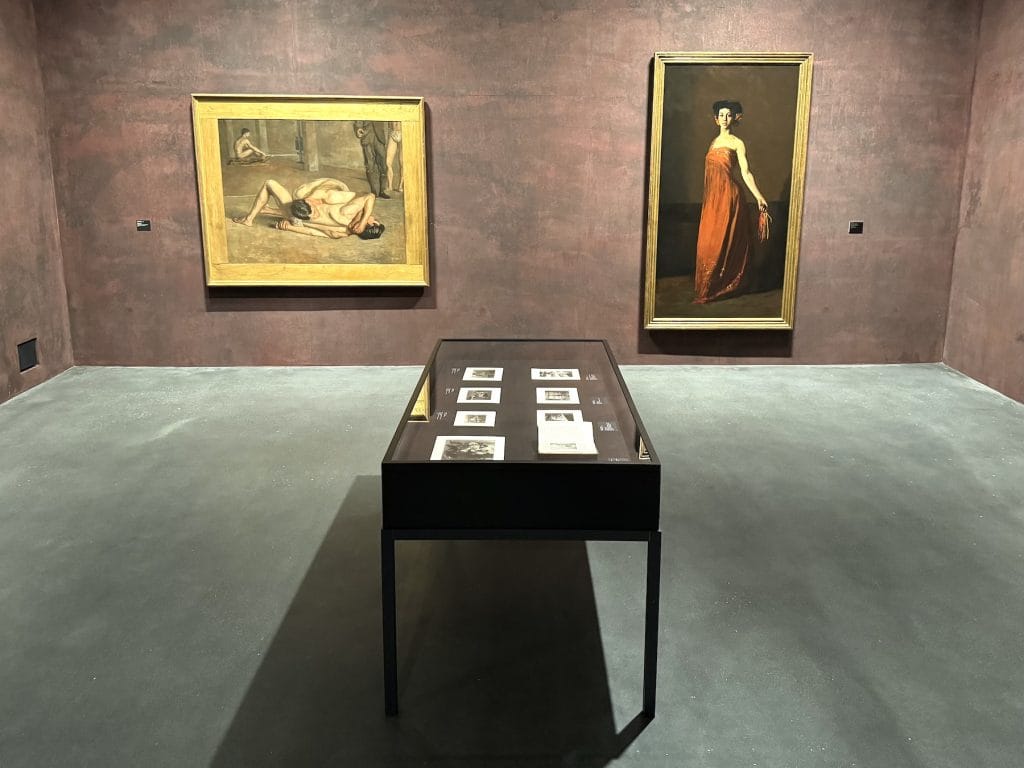
Thomas Eakins, Wrestlers (1888) and Robert Henri, Spanish Dancer — Seviliana (Dancer with Castanet) (1904). Photo by Ben Davis.
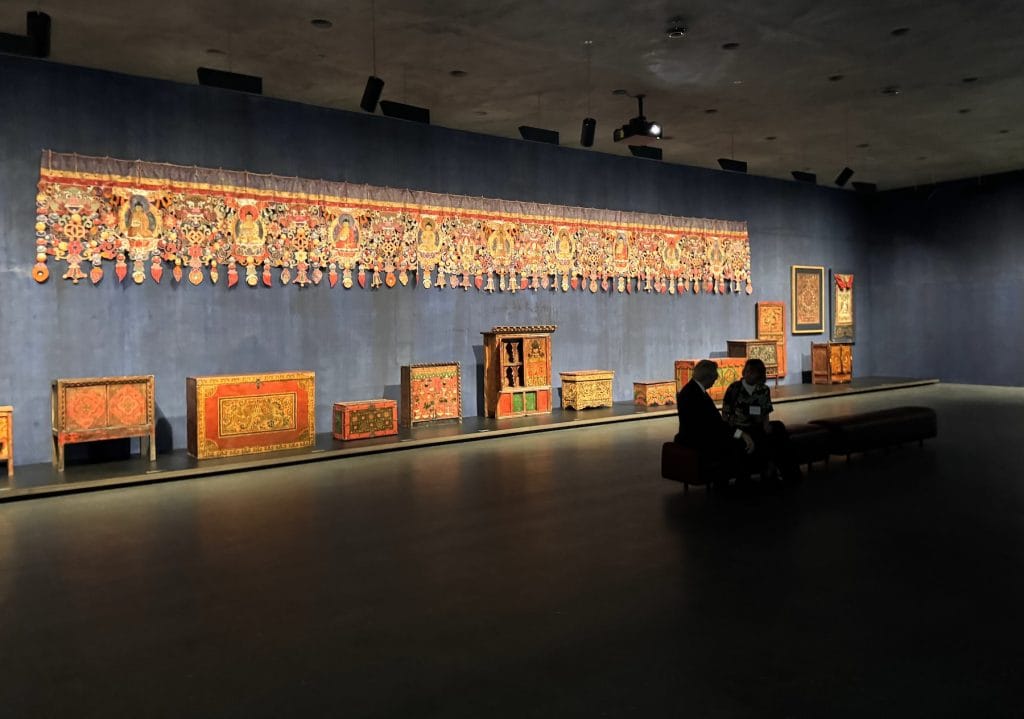
The “Pan-Asian Buddhist Art” galleries at LACMA. Photo by Ben Davis.
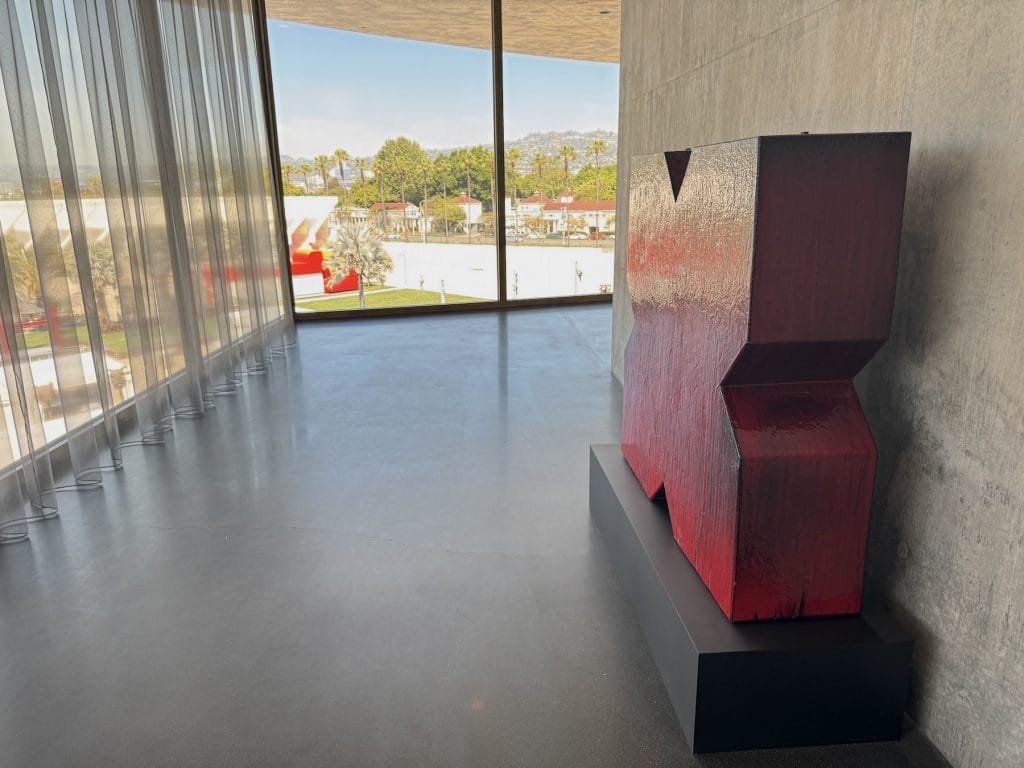
John Mason, Red X (1966) in LACMA’s new galleries. Photo by Ben Davis.
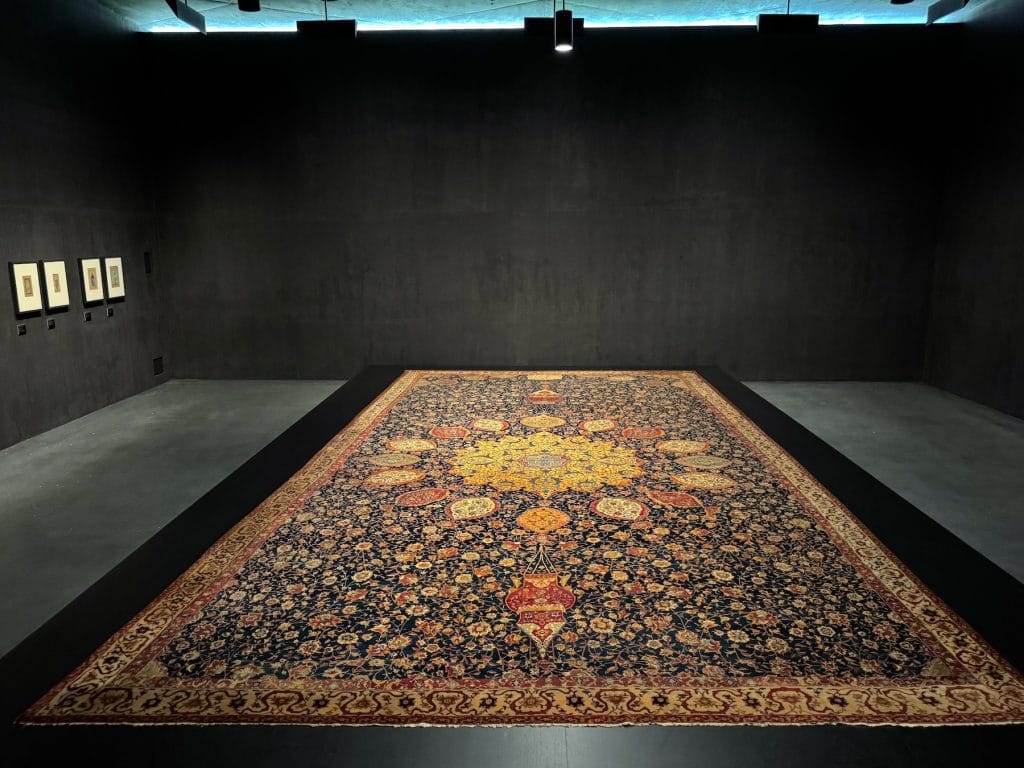
Maqsud Kashani, Ardabil Carpet (1539-40) (A.H. 946). Photo by Ben Davis.
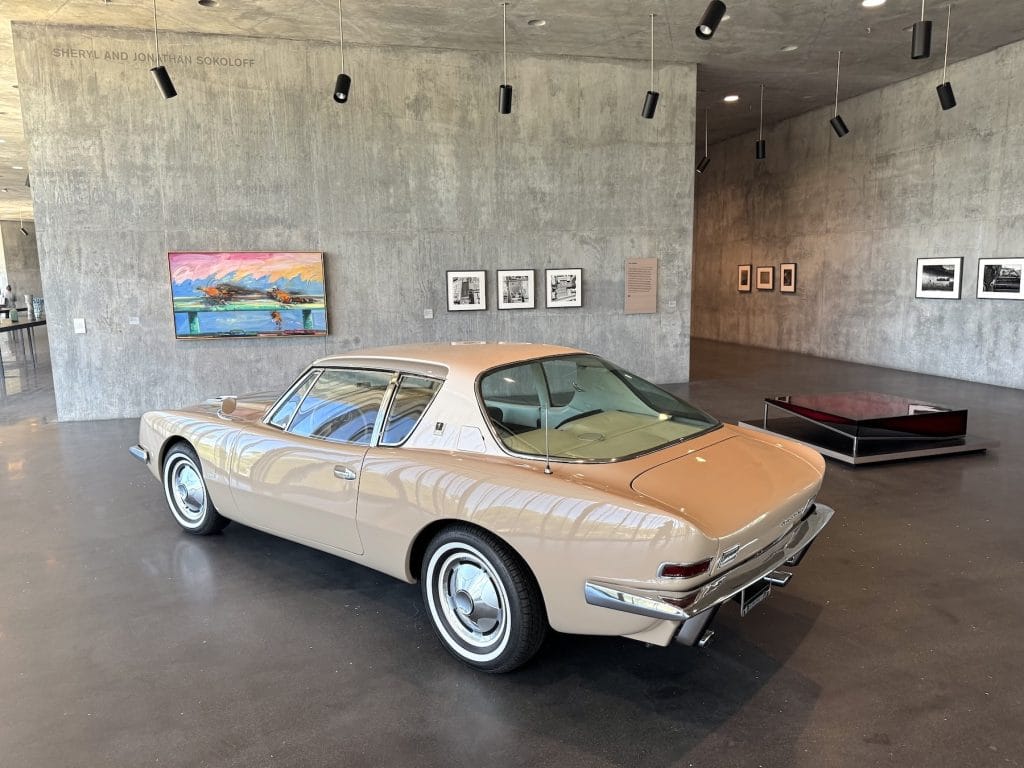
Raymond Loewy’s Studebaker for Avanti, designed 1961/made 1963. Photo by Ben Davis.
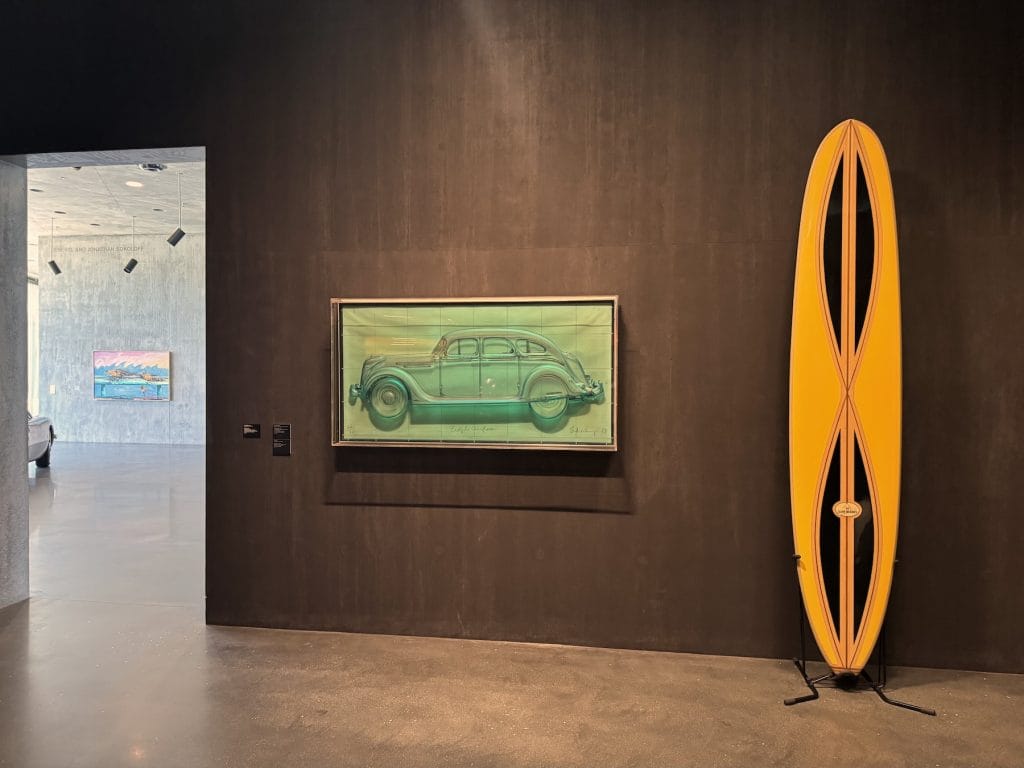
Claes Oldenburg, Profile Airflow (1969) and Greg Noll, Surfboard (c. 1960) in the “The Stuff of Alchemy: Plastic in Art” gallery at LACMA. Photo by Ben Davis.
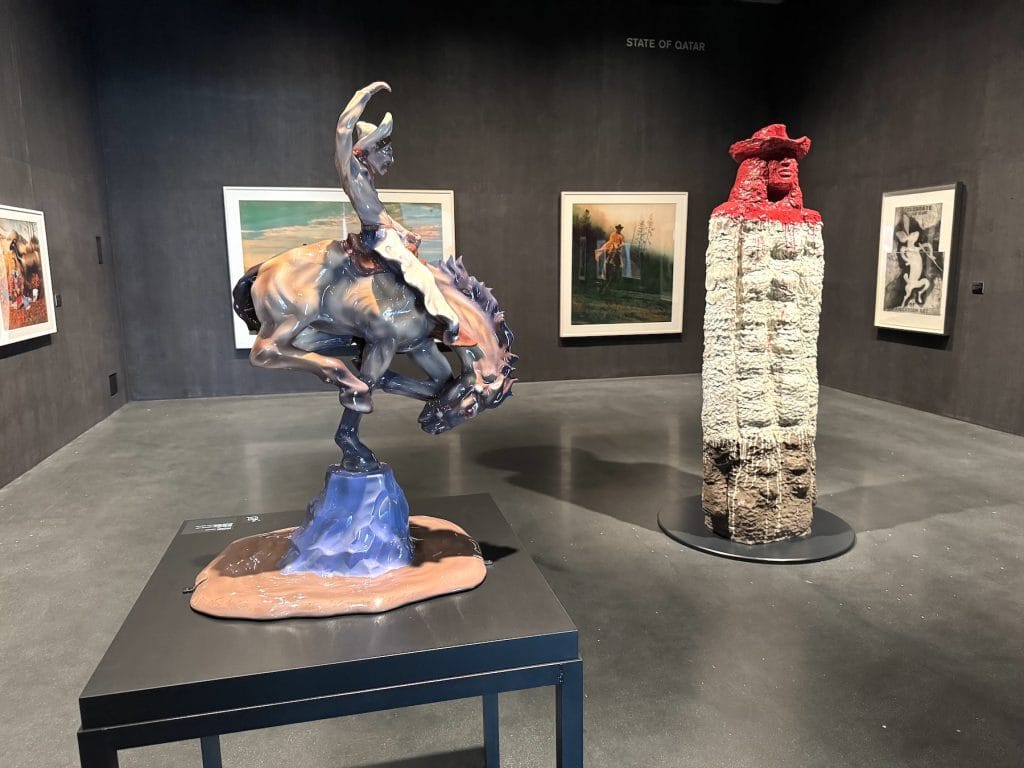
The “Picturing the American West” gallery at LACMA. Photo by Ben Davis.
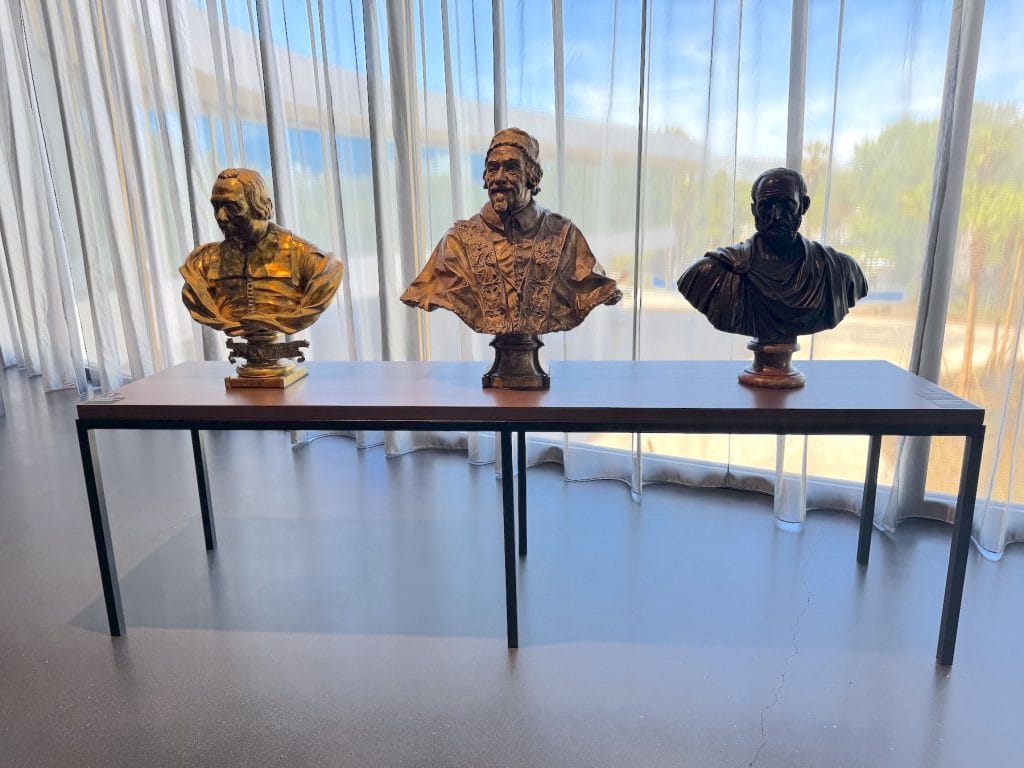
Three portrait busts installed at LACMA. Photo by Ben Davis.
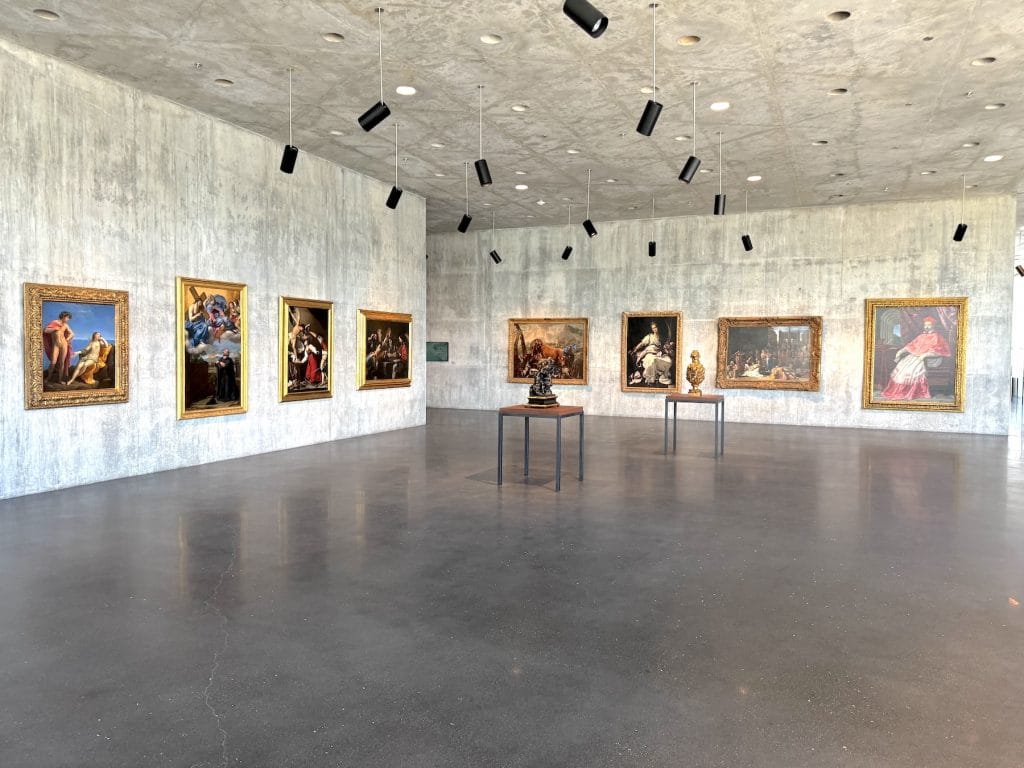
The “Model Lives in Baroque Italy” gallery at LACMA. Photo by Ben Davis.
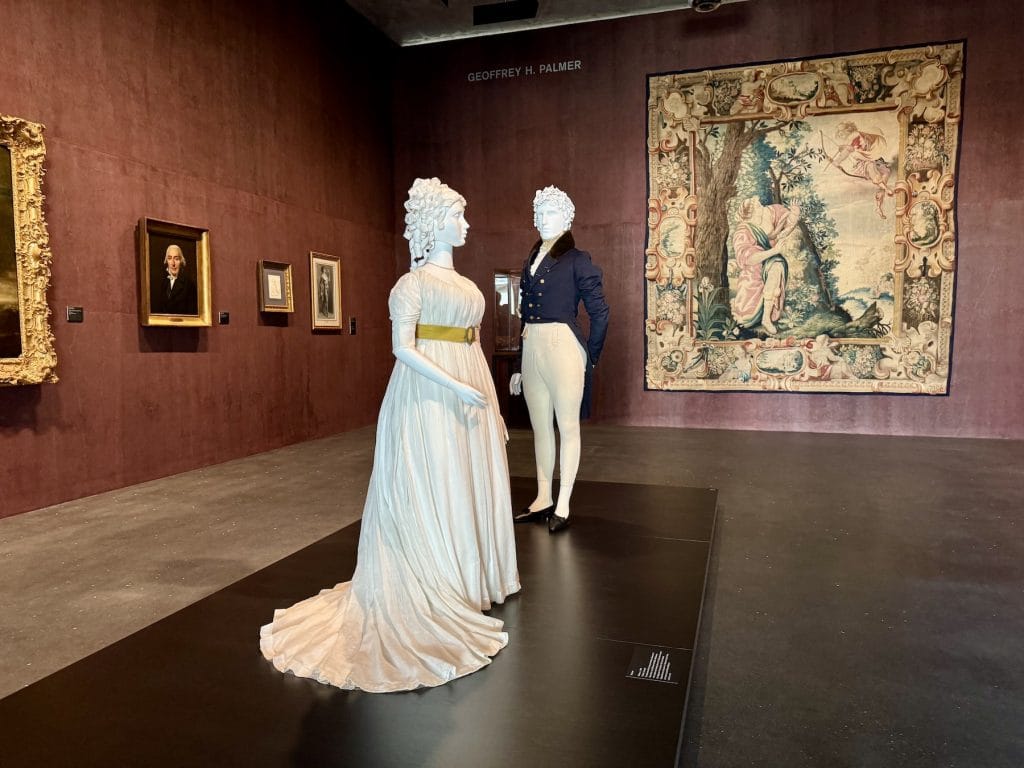
The “Classical Revivals in Europe and America” gallery. Photo by Ben Davis.
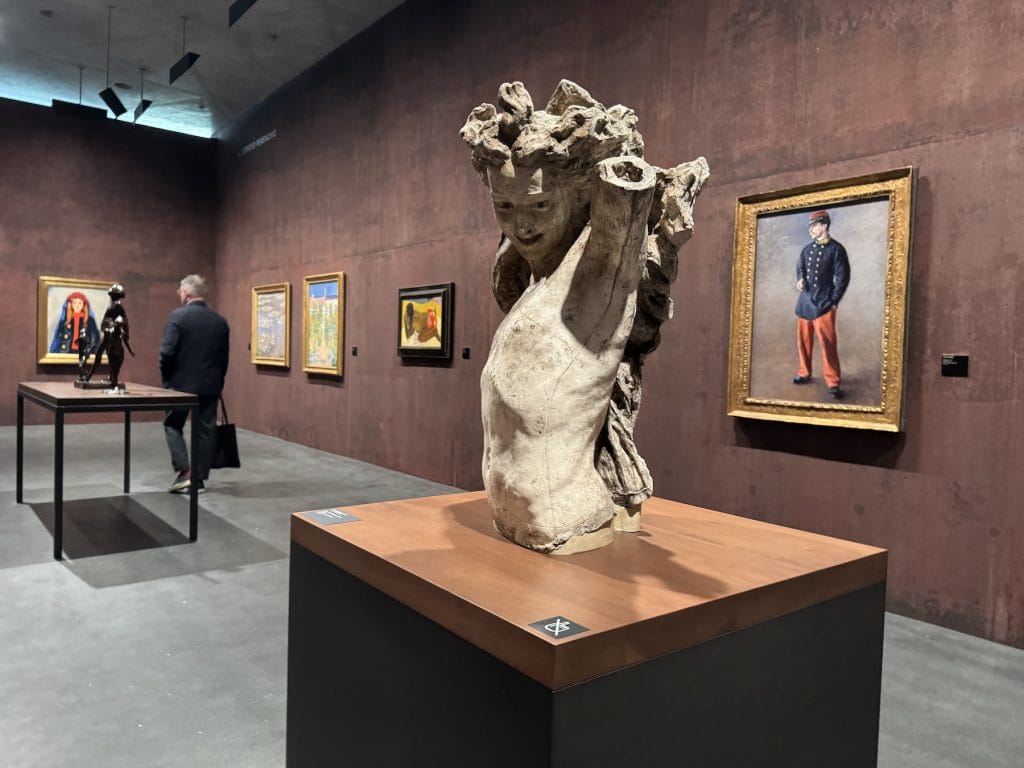
Jean-Baptiste Carpeaux, Study for The Dance (c. 1865). Photo by Ben Davis.
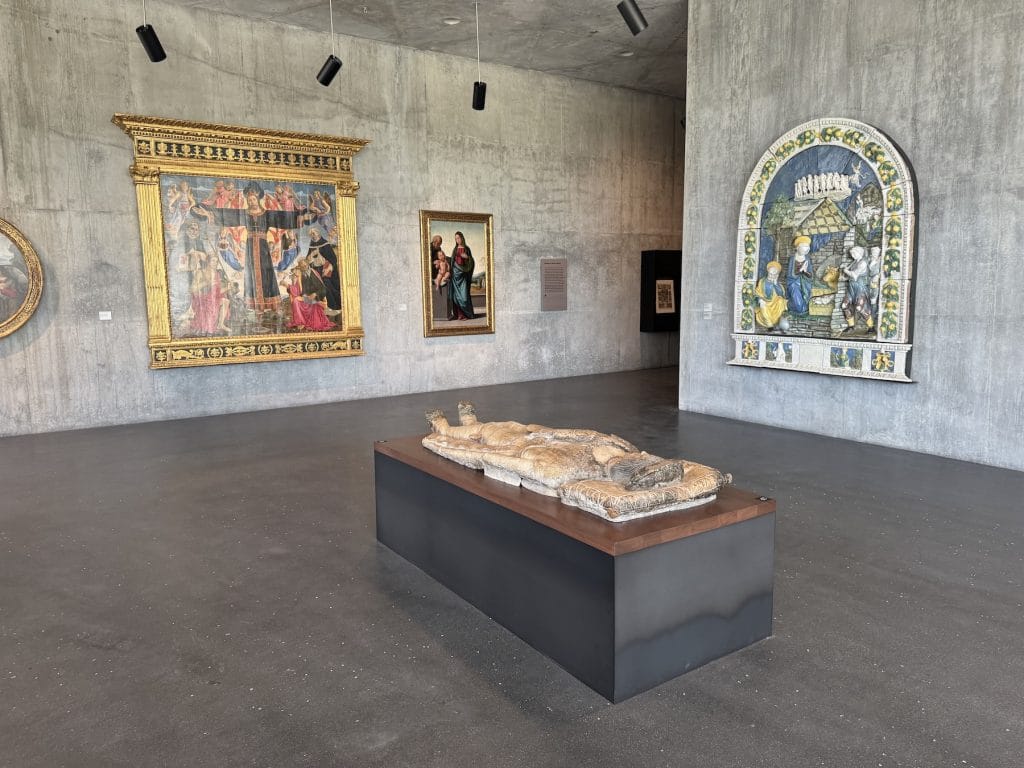
The “Grandeur in Sacred Spaces” galleries at LACMA. Photo by Ben Davis.
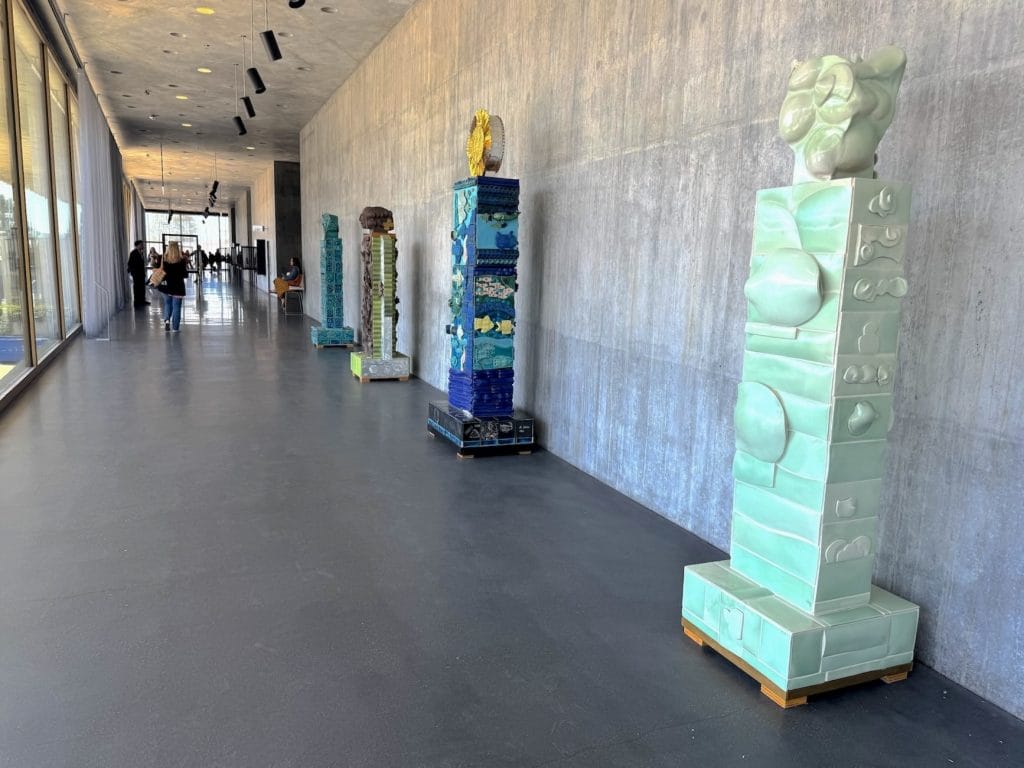
Sculptures by Dora de Larios at the new LACMA. Photo by Ben Davis.
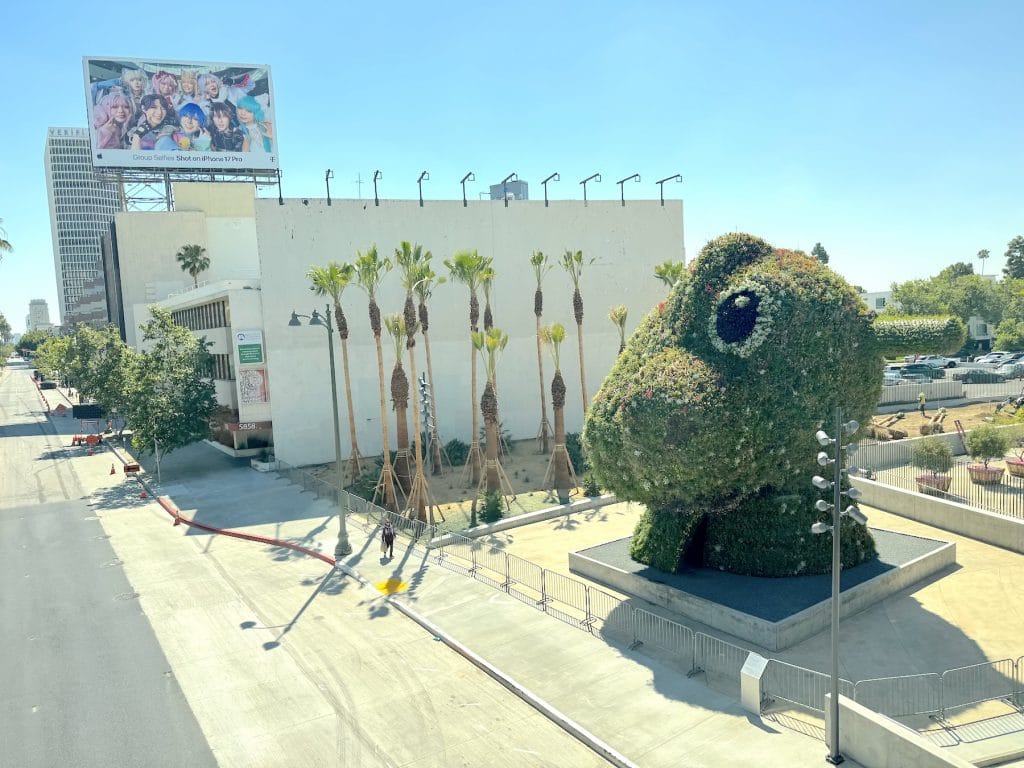
Jeff Koons, Split-Rocker (2000), installed outside LACMA, seen from the Geffen building. Photo by Ben Davis.
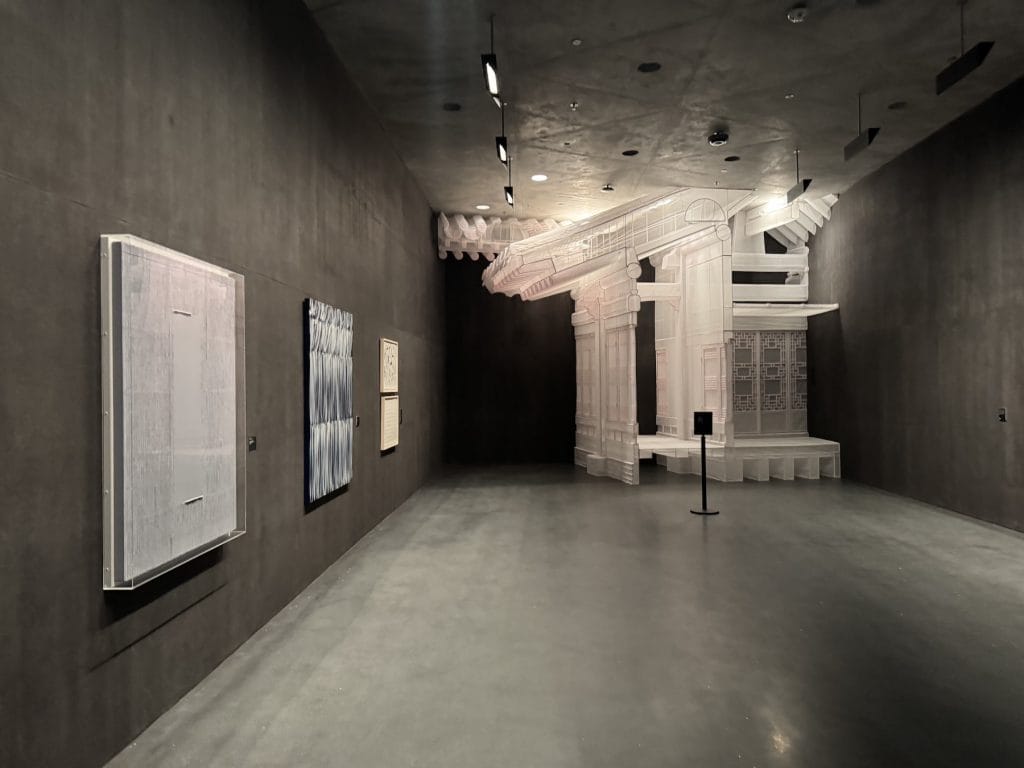
The “Evolution of Abstract Painting in Modern Korea” galleries. Photo by Ben Davis.
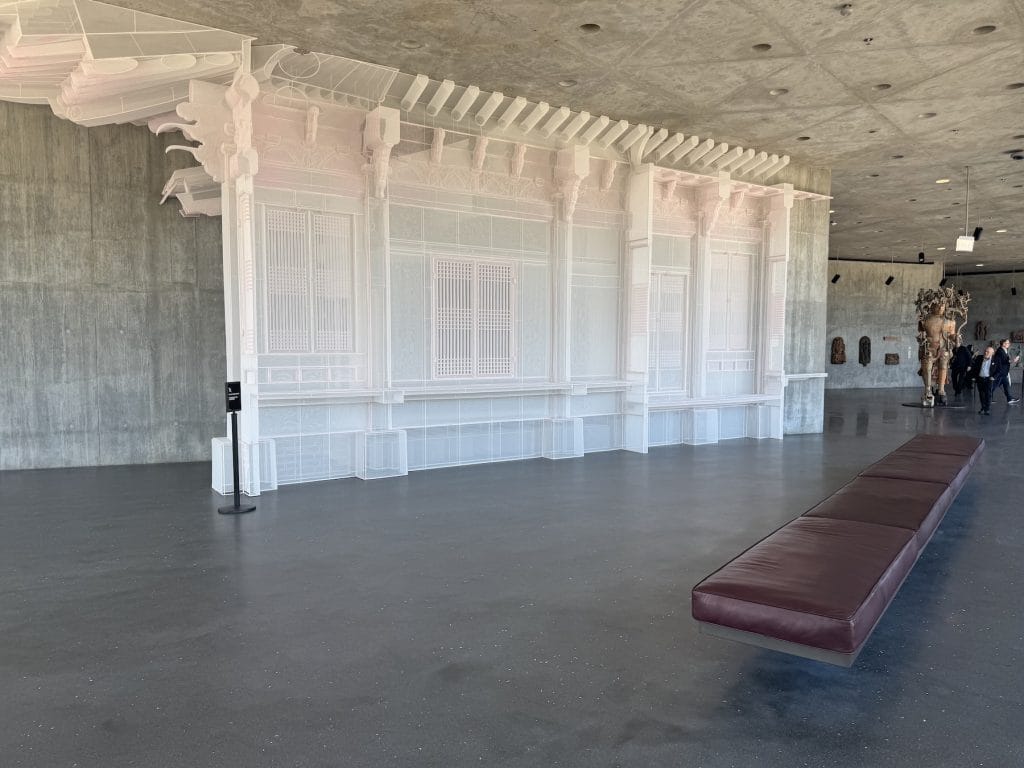
Do Ho Suh, Jagyeong Hall, Gyeongbok Palace (2026). Photo by Ben Davis.
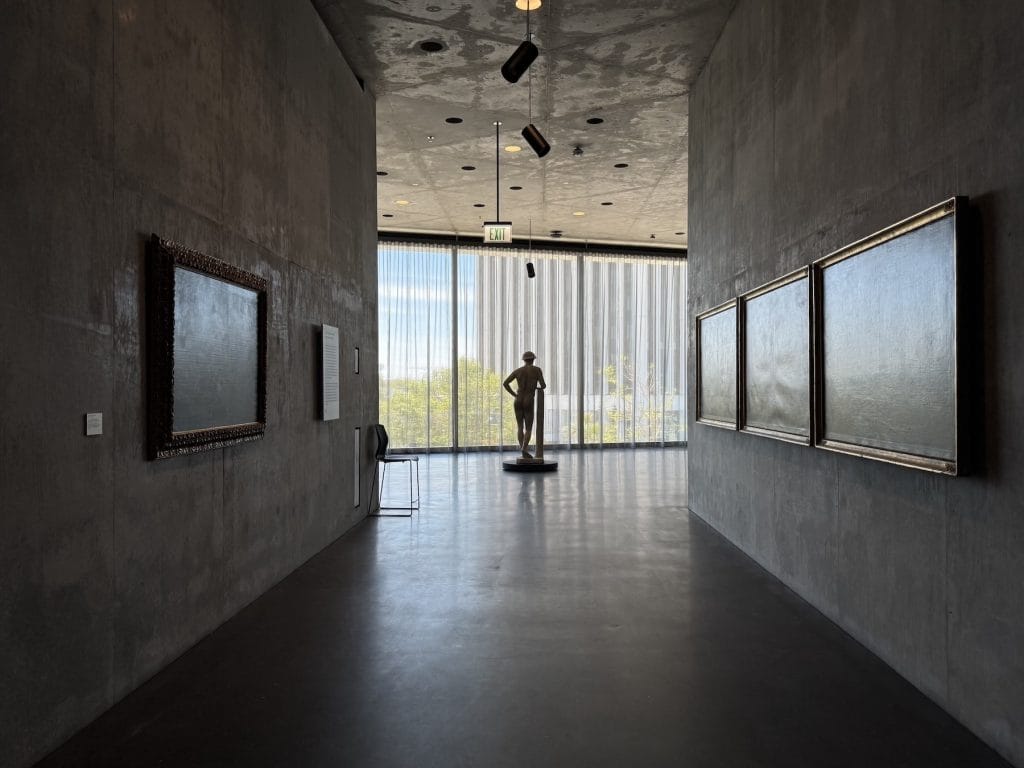
The Bateman Mercury, seen from behind in a hall at the new LACMA building. Photo by Ben Davis.