Archaeology & History
Archaeologists Discover 19th-Century Shipwreck in Copenhagen Harbor
Marine archeologists have found two cannons, fragments of uniforms, shops, and bottles at the site.
by
Richard Whiddington
 Share This Article
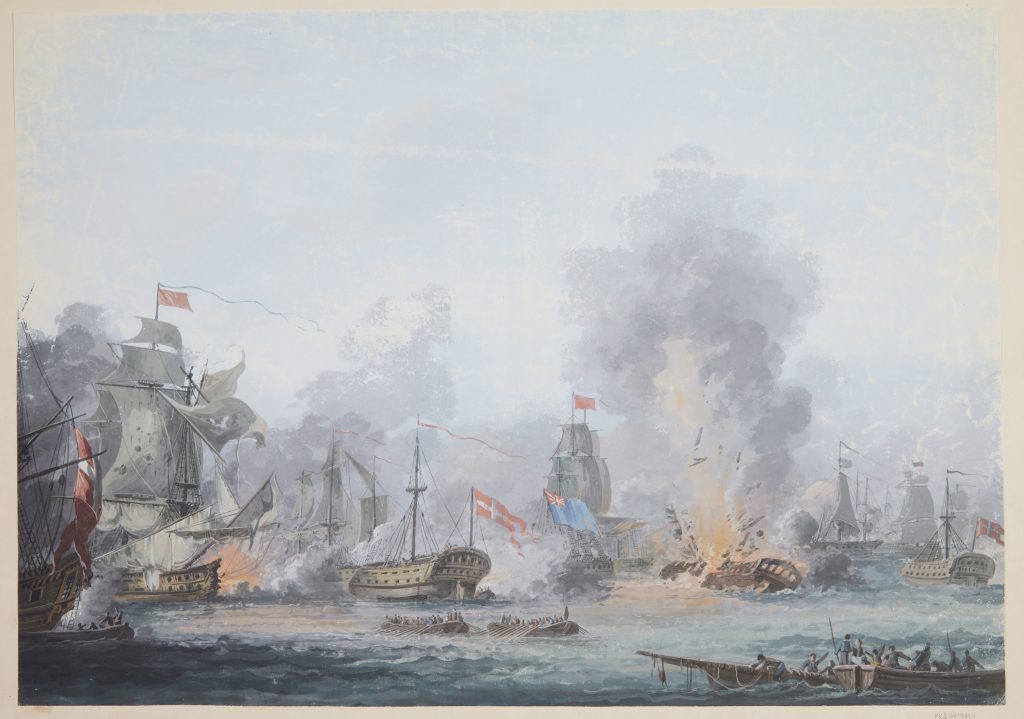
A Danish warship that was sunk more than 200 years ago by admiral Horatio Nelson and the British fleet has been discovered on the seabed of Copenhagen harbor by marine archaeologists.
In April, 1801, the British navy attacked Copenhagen in an attempt to collapse the League of Armed Neutrality, an alliance of northern European powers whose trade with Napoleonic France Britain sought to prevent. Collectively, the League would have outgunned the British and so it approached them one by one, starting with Denmark. The Battle of Copenhagen ensued, a day-long, close-quarter engagement that saw 12 Danish ships destroyed.
One of those was Dannebroge, a 60-gun warship which was repeatedly hit by cannon fire and eventually exploded. With the wreck site set to become an artificial island for a housing development off the Danish capital, marine archaeologists from the country’s Viking Ship Museum are hoping to salvage what they can from the 19th-century ship. The museum released its initial findings on April, 2, exactly 225 years on from the Battle of Copenhagen.
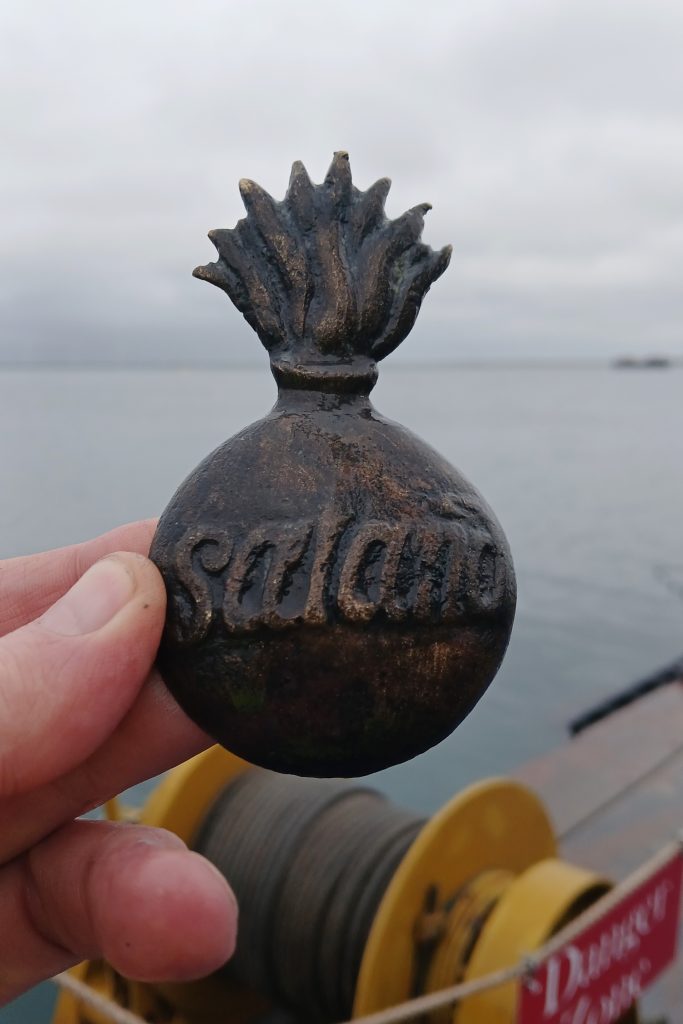
A metal insignia recovered from the wreck. Photo: courtesy Viking Ship Museum.
So far, marine archaeologists have uncovered two cannons, fragments of uniforms, shops, bottles, and even the remains of some sailors (the Dannebroge had a crew of around 350 sailors and its estimated that more than 50 died during the fighting). The search’s progress is hampered by the extremely limited visibility that exists 50 feet underwater, with divers noting that sometimes it is easier to navigate by touch than by sight.
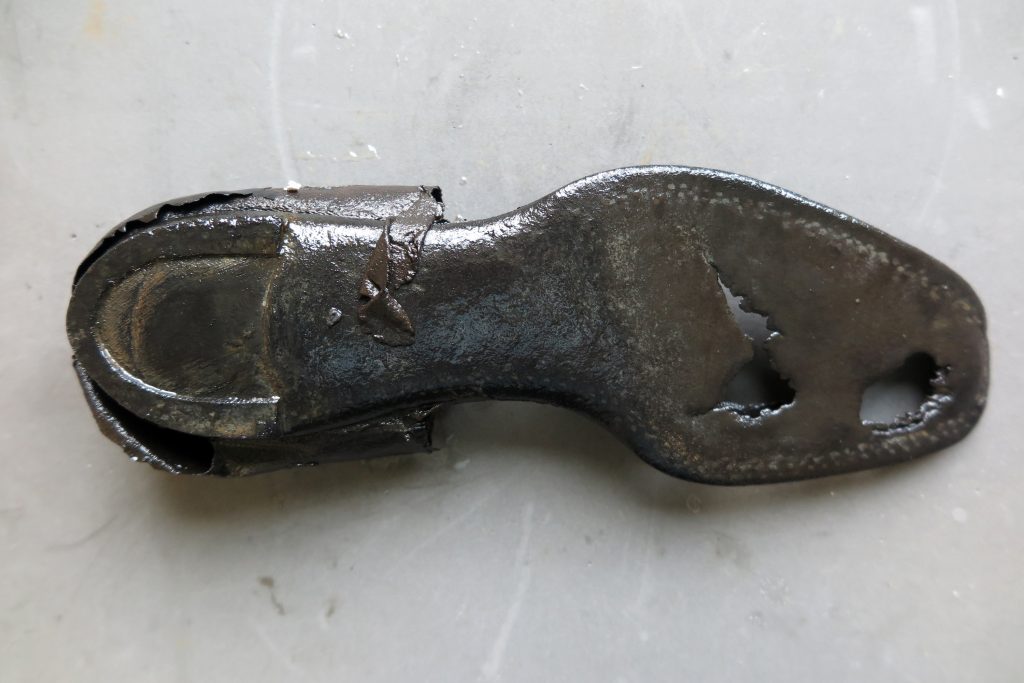
A shoe found at the wreck of the Dannebroge. Photo: courtesy Viking Ship Museum.
“This is the first time archaeological investigations have been undertaken that are directly linked to the Battle of Copenhagen,” Otto Uldum, the excavation’s leader said in a statement. “Although the battle is a central event in Danish history, no one, to my knowledge, has examined it archaeologically until now. That is actually quite remarkable.”
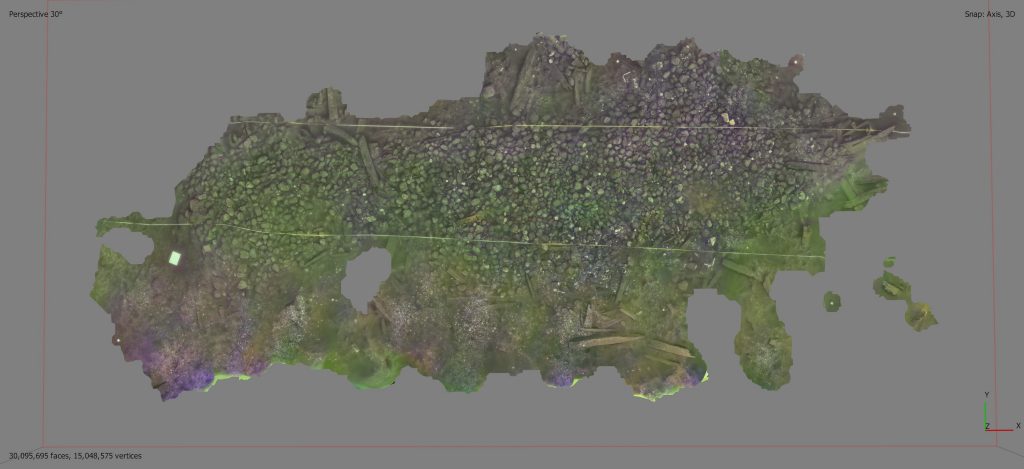
3D capture view of the Dannebrog ship. Photo: courtesy Viking Ship Museum.
The team started assessing the site in Copenhagen Harbor, known as King’s Deep, at the end of 2025, eventually settling on a location for the Dannebroge. They have been able to connect the Dannebroge with the salvaged wreckage by matching the size and shape of wooden parts with drawings of the ship. Additionally, dendrochronological dating, which uses tree rings to age wood, links the ship to the year in which it was built, 1772. Another giveaway? The surrounding seabed is strewn with cannonballs.
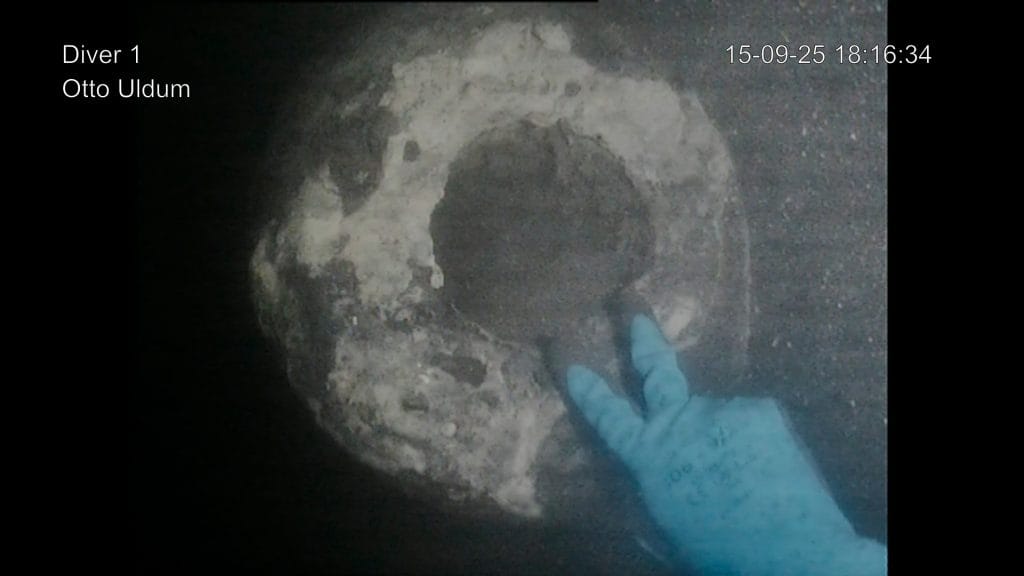
Cannon found underwater by divers. Photo: courtesy Viking Ship Museum.
“We are far from finished sorting and analyzing the material, but we are bringing everything up,” Uldum said. “We are gaining an archaeological body of sources on the Battle of Copenhagen and that is something entirely new. Every time we say even a little something about a shoe or a bone, it matters just a bit more.”
In an ironic twist of history, the Battle of Copenhagen was, in some respects, all in vain. Unbeknownst to the British, days earlier Russia’s Tsar Paul I had been assassinated, effectively collapsing the League of Armed Neutrality.