Art & Tech
British Museum’s A.I.-Generated Post Sparks Online Backlash
The post, containing A.I.-generated images, was swiftly deleted following an outcry in it comments section.
by
Jo Lawson-Tancred
 Share This Article
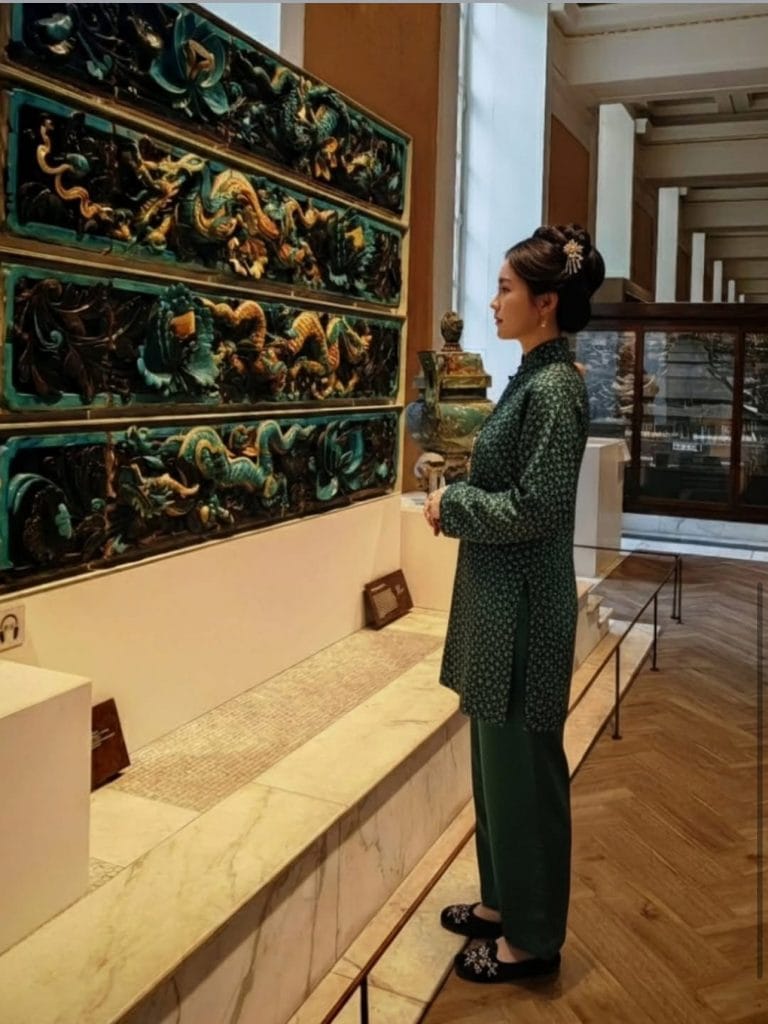
Several archaeologists have taken to social media to call out the British Museum for posting images containing A.I.-generated content on its Instagram and Facebook. After receiving a wave of backlash, the museum removed the posts.
The images, shared on January 27, feature a young woman seen standing in profile as she contemplates various museum exhibits. The caption read: “Taking time to take a closer look is always worthwhile,” with the hashtag #YourMuseum. Two accounts were tagged, one belonging to the A.I. model and another belonging to the A.I. marketing agency V8 Global. Their appearance on the British Museum’s social media has raised questions about the ethics of museums or heritage sites using A.I.
The British Museum’s actions “set a precedent for the rest of the field,” said Steph Black, an archaeologist and PhD student at Durham University who has been one of the most vocal critics of the British Museum post.
“I think they are testing the waters to see how willing the public are to accept A.I. images so then they can fire or not hire creatives and professionals,” she added in an email. “I think it’s cost saving.”
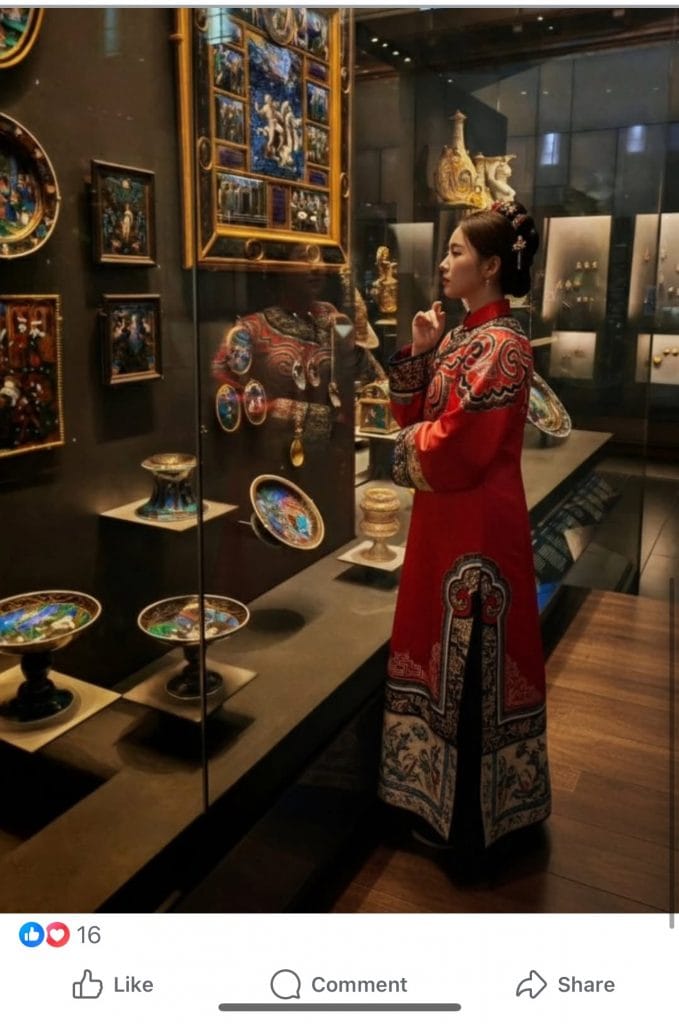
Screenshot of social media post containing A.I.-generated image shared by British Museum on January 27, 2026. Screenshot courtesy Steph Black.
Black estimated that the offensive post was online for around six hours before it was removed, shortly after 3:30 p.m. GMT. While public, the post received a barrage of “really negative” comments, many of which expressed disappointment or asked the museum to apologize.
Black took to Instagram to share screenshots of the A.I.-generated images to her large following of nearly 200,000. Shortly afterwards, Black claimed that the British Museum unfollowed her and other content creators who were speaking out, a move that she has interpreted as a “warning” to others.
“They need to acknowledge was happened, explain why it happened, and who approved it,” Black said. “I want them to take accountability and commit to not using generative A.I.”
In a statement, a spokesperson for the British Museum said that it regularly shares “user-generated” content online. In this case, the content had been made using A.I. “We do not post A.I.-created images and, recognizing the potential sensitivity, removed it,” they said.
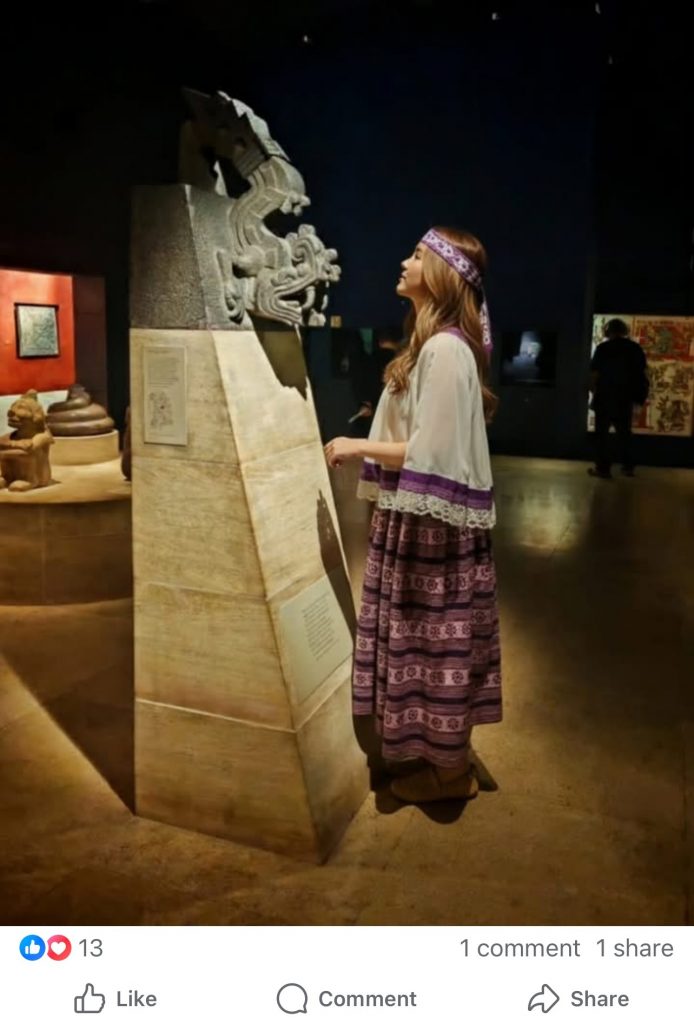
Screenshot of social media post containing A.I.-generated image shared by British Museum on January 27, 2026. Screenshot courtesy Steph Black.
“Given the increasing prevalence of A.I. in the sector, we are in the process of creating guidelines on its use museum-wide,” the spokesperson added.
“A.I. usage in heritage settings directly affects the jobs of historians, educators, and curators,” said Mya Steele, another vocal critic who is studying archaeology at the University of York. It also risks “delivering incorrect information,” she said, as well as perpetuating the biases of “datasets that are overwhelmingly Western and colonial.”
In one image posted by the British Museum, the A.I. looks up at a Mexican stone figure of the Aztec fire-serpent Xiuhcoatl, a real object from the collection. Black noted that, while in other images the A.I. model wears traditional East Asian clothes, here she wears what appear to be Mexican-style clothes. It is “as if all these cultures are the same,” said Black.
Related Articles
-