Archaeology & History
Massive Cache of 42,000 Pottery Shards Reveals Daily Life in Ancient Egypt
The ostraca are written in Demotic, Greek, hieroglyphic, and Hieratic scripts.
by
Richard Whiddington
 Share This Article
- Archaeologists at Athribis have uncovered more than 42,000 inscribed pottery shards revealing daily ancient Egyptian life.
- The ostraca include tax receipts, religious texts, and notes written in multiple scripts spanning centuries.
- Researchers say digitizing the vast trove remains challenging, though future A.I. tools could accelerate analysis.
For short daily messages, ancient Egyptians didn’t use papyrus, but rather broken shards of pottery known as ostraca. From tax receipts and certificates to horoscopes and schoolwork exercises, these ostraca offer snapshots of life on the lower rungs of the Egyptian social pyramid. Since 2005, no site has proved more illuminating than Athribis, a temple complex on the west bank of the Nile some 300 miles south of Cairo.
Over the past eight years alone, archaeologists from the University of Tübingen, working alongside the Egyptian Ministry of Tourism and Antiquities, have excavated 42,000 ostraca, surpassing a worker village in the Valley of the Kings as Egypt’s most productive ostraca site. A recent report from the university near Stuttgart in southwestern Germany, has outlined the discoveries so far and the future of the project.
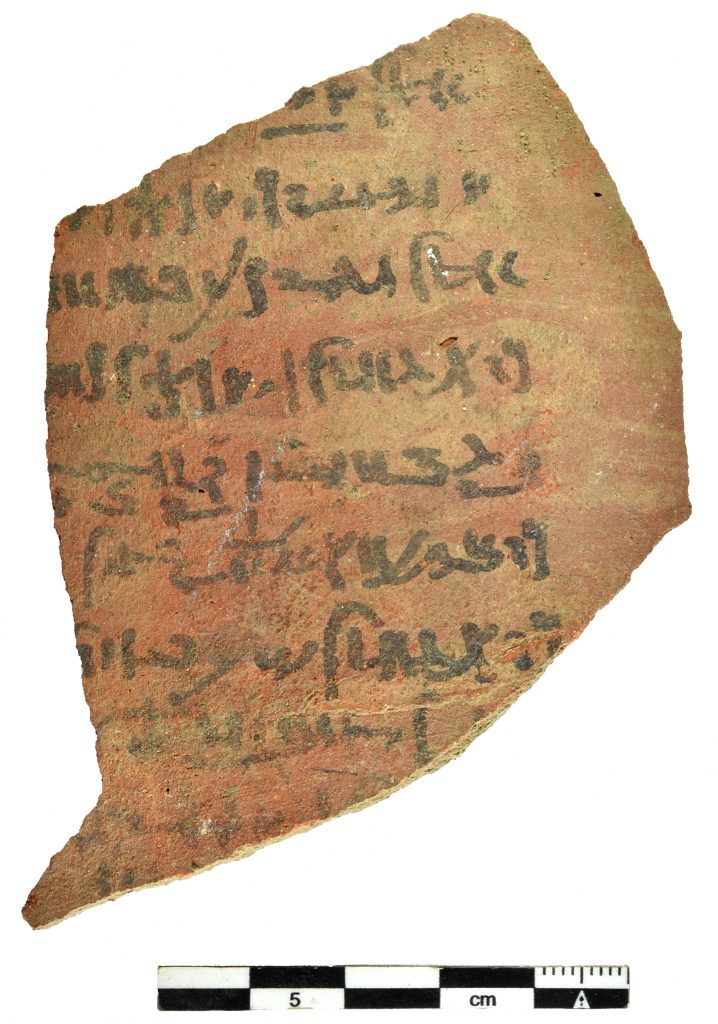
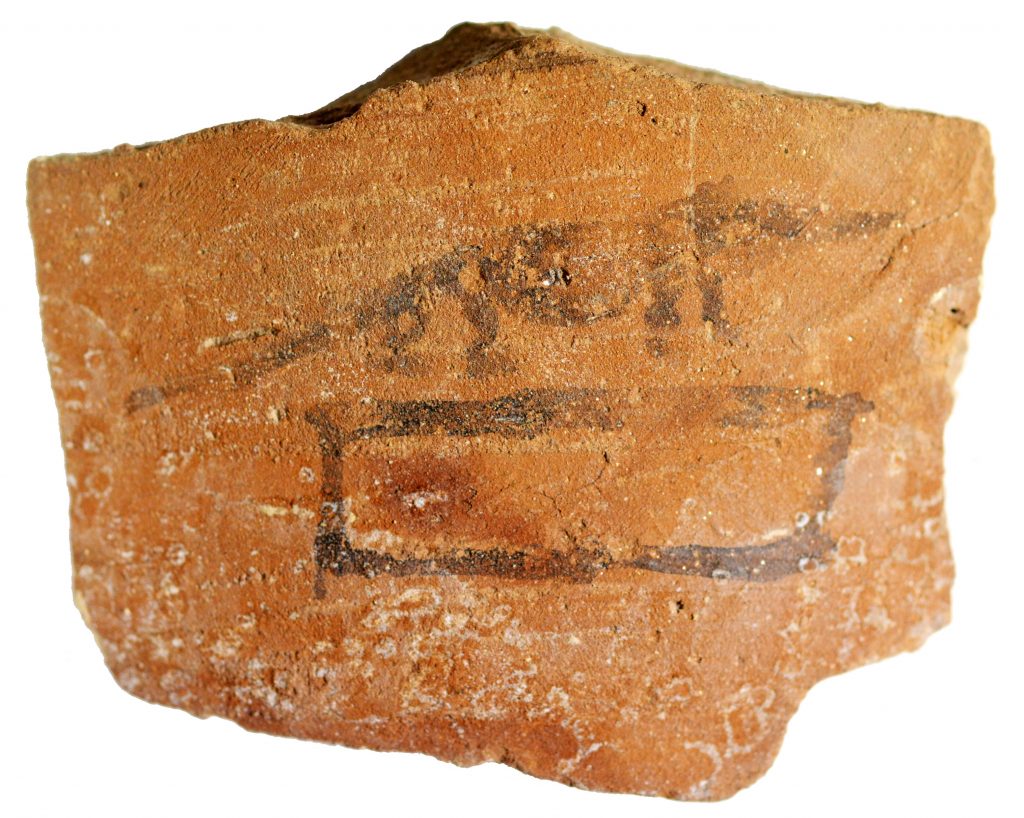
A list in Demotic script including several personal names referring to local gods. Photo: Photo: Athribis Project Tübingen.
“The ostraca show us an astonishing variety of everyday situations,” lead archaeologist Christian Leitz said in a statement. “We find tax lists, deliveries, short notes about everyday activities, religious texts, and priestly certificates attesting the quality of sacrificial animals. This mixture is what makes the find so valuable, it gives us direct insight into the lives of the people of Athribis.”
Established in the 4th century B.C.E.—relatively late for an Egyptian site—Athribis was associated with the worship of Repyt (or Repit), a lioness goddess of fertility and protection, and featured a temple district, residential area, necropolis, and limestone quarries.
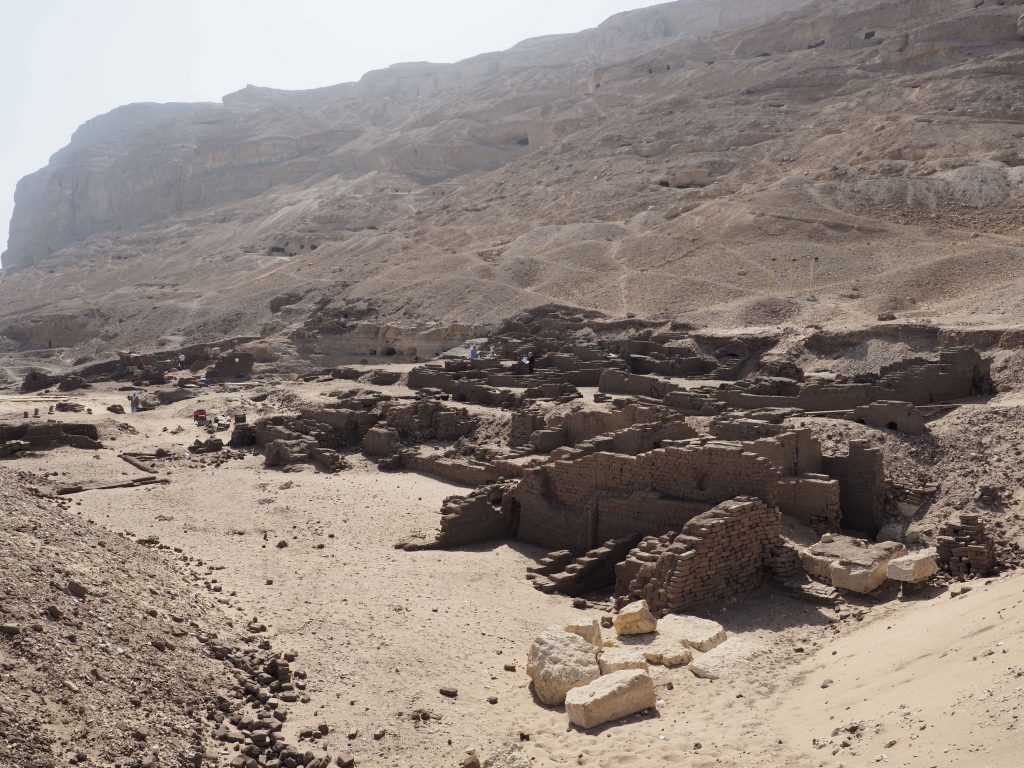
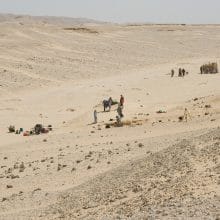
The Athribis site west of the Nile 300 miles south of Cairo. Photo: courtesy the University of Tübingen.
The earliest ostraca dating to the 3rd century B.C.E. are tax receipts written in Demotic script, a cursive form used for administration during the Ptolemaic and Roman periods. The majority of the ostraca are in Demotic, though other examples offer a sense of how life changed in the area over the course of more than 1,000 years. A good portion are Greek inscriptions and there are also texts in hieroglyphic, Hieratic (a simplified hieroglyphic script that preceded Demotic), Coptic, and Arabic scripts. The Arabic inscriptions date to the 9th to the 11th centuries C.E., a period when Egypt was governed by various Islamic dynasties.
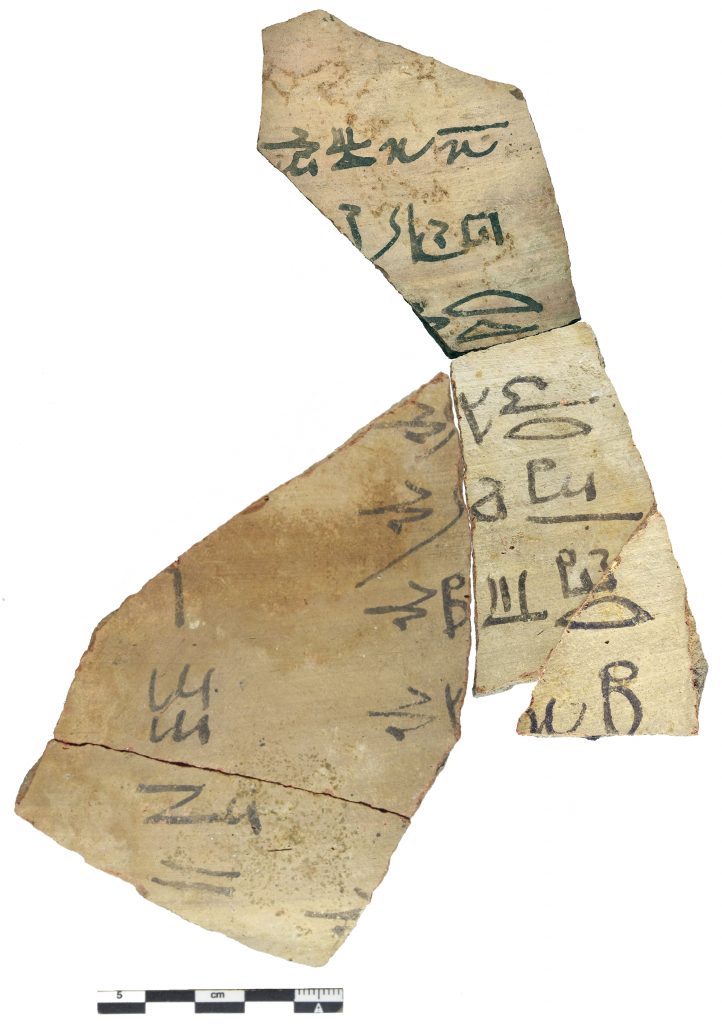
Hieratic school text, a version of the “bird alphabet.” Photo: Photo: Athribis Project Tübingen.
Although Athribis was first excavated at the beginning of the 20th century, a breakthrough occurred in 2018 when archaeologists began working on an area near the 1st century B.C.E. Temple of Ptolemy XII (Cleopatra’s father). It turned out to be a settlement made up of brick buildings, living quarters, and storage structures and it has produced more than 40,000 ostraca. At the height of work in 2023, archaeologists were finding 50 to 100 shards a day.
“We expect to find many more ostraca. The high and ever-growing number of objects is encouraging, but it also presents us with challenges,” Leitz said. “The complete three-dimensional digitization of the more than 40,000 sherds in the local depot is labor-intensive and requires specialized equipment, high computing capacity, and specially trained staff.”
In theory, A.I. could accelerate such digitization and cataloging efforts, Leitz said, but the effort and resources required to build and maintain such a system remain considerable barriers.

Related Articles
-