People
Jack Hanley on the Rough-and-Tumble Art Market, and How It Should Change
The art dealer shuttered his eponymous gallery in 2024 after 37 years in business.

The art dealer shuttered his eponymous gallery in 2024 after 37 years in business.
Annie Armstrong
 ShareShare This Article
This article is part of the Artnet Intelligence Report, Mid-Year Review 2025. Our analysis of the first half of the year’s market trends provides a data-driven overview of the current state of the art world, highlighting auction results and trends, and spotlights industry experts with fresh ideas on the road ahead.

When you announced late last year that you were closing your doors for good, many in the art world felt shocked and sad to lose a long-standing gallery that had such a unique point of view. Can you tell me about what went into the decision to close?
Honestly, I hadn’t really been thinking about closing until the landlord started pressuring me to move. They sold the space I was in. I’d known the owner for a long time, which was great, but then that space got sold. The new landlord wanted a lot more rent, and I already thought it was expensive. I was paying $12,000 a month. If you’re showing artists earlier in their careers, that adds up. My lease was only going to last another year anyway, so that pushed me to make a decision.
I started looking at other spaces, but in the back of my mind, I wasn’t sure I wanted another long-term lease. I’d been running galleries for 37 years. Some of the issues I’d avoided in San Francisco—like bigger galleries poaching my artists—became more of a problem when I moved to New York. In San Francisco, I’d lose artists now and then, but once I got to Tribeca, it was constant.
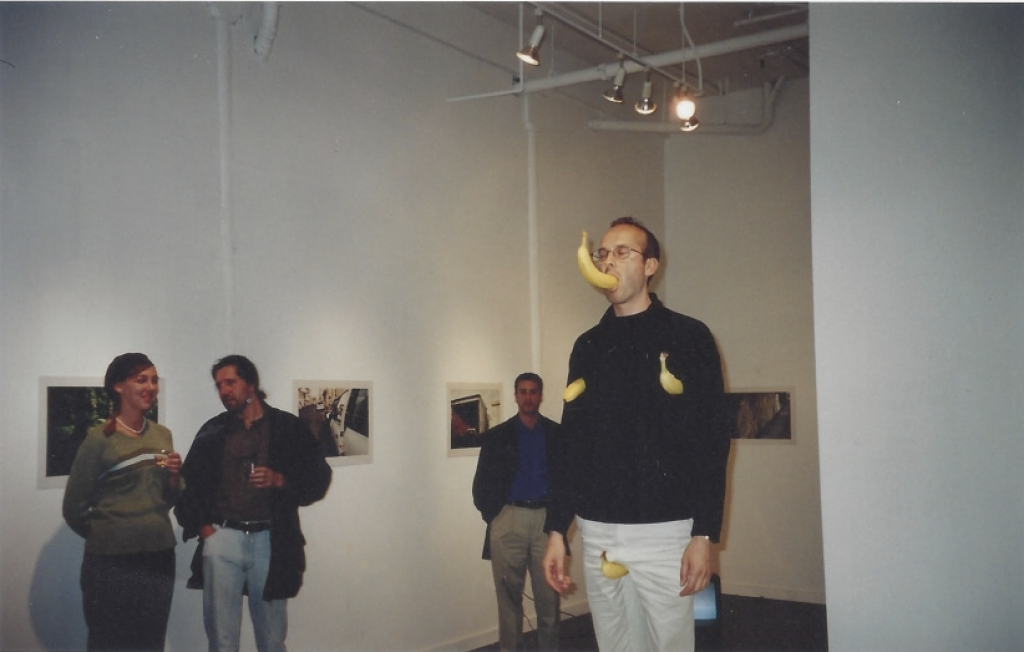
Exhibition view of Erwin Wurm’s solo show at Jack Hanley Gallery in San Francisco in 2000. Courtesy of Jack Hanley.
You had your first gallery in Austin, when you were a professor at the University of Texas in the 1980s, and then, a few years later, moved operations to San Francisco. How did starting out outside of New York City inform how you ran your gallery?
I’m not sure many people start the way I did. I started out in music and always saw myself more like the guy who owns the club than the guy managing the band, you know? If someone in Europe wanted to work with an artist, I’d just give them the artist’s contact info. I never approached this with a typical art-world mindset. I painted and I taught for many years. I kept telling my students, “You should go to New York and see this show. And you should go to see this.” And I realized a lot of them were never going to New York, ever. So I opened my first gallery in Austin for $400 a month. I showed Günther Förg and Peter Saul. It was nothing like the art world, really.

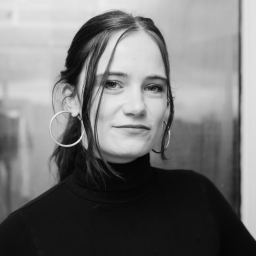
Retired art dealer Jack Hanley.
In San Francisco, I opened a space in the Mission because no one was showing the kind of work I liked. It was small, and I could show whoever I wanted. I still like quirky drawing and painting. I’ve always been open to outsider art. It was quieter in San Francisco, and I didn’t feel like anyone was watching. No one in San Francisco was trying to work with the same artists I was.
You’ve seen the art market go through many different cycles. What’s your diagnosis for today’s ailing art market?
I don’t have a negative view of the market—it’s just different now. It’s certainly much more of a machine than it used to be. There are too many artists coming out of MFA programs, and a lot of the galleries are chasing the same small group of artists. I think galleries try to control more of the creative side now. When Castelli started out, I don’t know how much guidance he was giving the artist, but I don’t think he was trying to control their output.
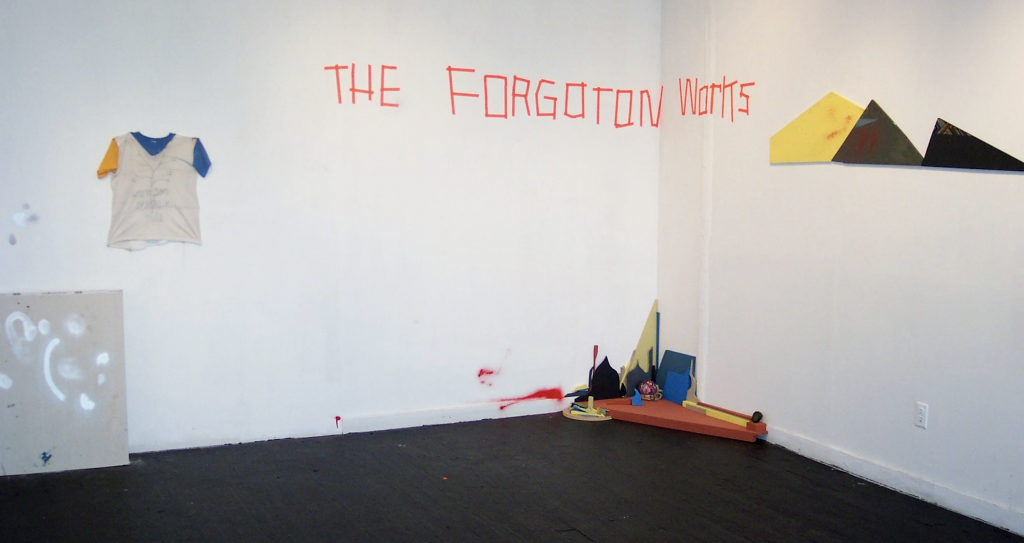
Exhibition view of Alicia McCarthy’s solo show at Jack Hanley Gallery in San Francisco in 2003. Courtesy of Jack Hanley.
What specifically would you change about how the industry behaves to make it easier for small galleries and emerging artists to survive?
I don’t like the habit of stealing each other’s artists. It’s creepy. Ideally, a gallery could grow with an artist over time and build collector relationships together. But almost every time I had a successful show, the artist would get pressured by bigger galleries into raising prices and working on bigger canvases. There are very few artists that I lost to a bigger gallery who it ended up really working out for, it seems. Most of them started making bigger work that looked a lot like their previous paintings.
I think a lot of the artists are much more ambitious about getting bigger prices faster, showing in bigger spaces, and that’s different than when I started. They weren’t expecting to be able to buy a condo with what they got out of a show.
What advice do you have for people who want to start their own gallery, who feel inspired by your D.I.Y. approach?
Don’t start in New York—or at least not in an established art neighborhood. Find a space you can afford and show the work you love. With the internet, people can find you anywhere. That wasn’t true when I started.